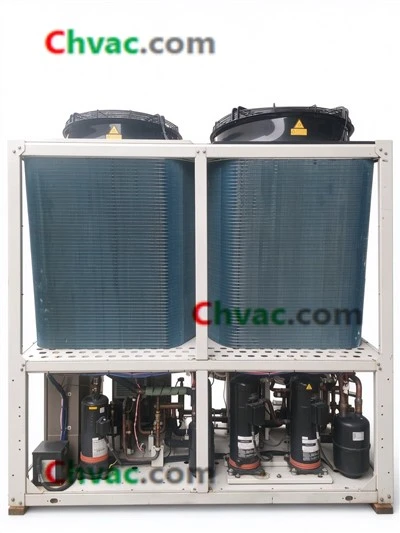
Can a chiller be integrated with a building's HVAC system?
Leave a message

When a facility manager or building owner hears the word "chiller," it's easy to zone out to vague, engineering-speak that feels totally disconnected from their daily grind. But let's cut to the chase: yes, a chiller absolutely can be integrated with a building's HVAC system-and done right, it'll cut energy bills, keep tenants comfortable, and even extend your equipment's lifespan. I've been in the chiller supply game for over a decade, working with everything from 10-story office towers to hospitals that need 24/7 cooling, and I've seen firsthand how people get confused about where chillers fit, what they do, and how to pull off the integration without headaches.
First, let's ground this in what a chiller actually does for non-engineers. Your standard HVAC system moves air around, but it relies on a consistent cold medium to keep that air at a set temperature. That medium is chilled water (or sometimes glycol, for colder climates), and the chiller is the machine that makes that chilled water-either by transferring heat away from the water (water-cooled chillers) or blowing hot air over refrigerant lines to cool them (air-cooled chillers). Integrating it means tying that chiller's output directly into your building's existing HVAC distribution loop, so you don't have to run separate cooling equipment or waste energy trying to match two different systems.
Now, the real question isn't "can you integrate it"-it's "how to do it right." The biggest mistake people make here is buying a chiller that's either too small (leaving you sweating through summer) or way too big (wasting thousands on unused capacity every month). That's where matching your chiller to your building's load profile matters. For example, a 750RT centrifugal chiller is built for large-scale commercial or industrial spaces, like a shopping mall or a 500,000 sq ft office. It's designed to run efficiently at partial loads, which is perfect because most buildings don't need maximum cooling 24/7. If you're looking for a brand-new unit that fits that bill, we have the Carrier 750RT Centrifugal‑chiller 19XR6X65466LGH52 (New) in Stock, and it's a popular pick for mid-to-large builds because it's engineered to reduce energy use during low-demand periods, like weekends or nights.
Next up: compatibility with your existing HVAC infrastructure. You can't just plug a chiller into your old air handler and call it a day. There are a few key checks. First, make sure your existing water lines, pumps, and pipes can handle the chiller's flow rate. Centrifugal chillers, for example, need consistent water flow to operate efficiently-too little flow can trigger a safety shutdown, too much can wear out the pump prematurely. If your building's HVAC uses smaller pipes, you might need to upgrade some components, but that's a small cost compared to the savings from a properly sized, integrated system.
For smaller buildings or retrofits, air-cooled chillers are often the way to go-they don't need a separate cooling tower, which saves space. A lot of older buildings that already have air-handling units (AHUs) can integrate a screw air-cooled chiller directly by tapping into their existing chilled water return line. We've got options here too: if you want a new water-cooled unit that works great for medium-sized spaces, check out the York RWK 422kw CHVAC NEW, which pairs easily with most standard AHUs for hotels or small office parks. For retrofits where you don't want to tear up too much rooftop space, used units are a solid, cost-effective pick too-like our in-stock York 224RT/ 226RT Screw Air-Cooled Heat Pump Chiller YEAS225RC50B (Used), which is tested to work with existing HVAC loops and cuts upfront costs without sacrificing performance.
Another big win with integrated chillers: better climate control, especially for multi-zone buildings. Traditional HVAC systems often struggle to cool one floor without overcooling another, but a chiller-integrated system lets you adjust chilled water flow to specific zones. For example, a hospital needs precise cooling for operating rooms, which a standalone HVAC can struggle to deliver consistently. By integrating a chiller, you can set variable water temperatures per zone, so the OR stays at a steady 68°F while the break rooms are a comfortable 72°F. That level of control not only keeps tenants happy but also reduces wear on your HVAC equipment because you're not forcing it to work harder than it needs to.
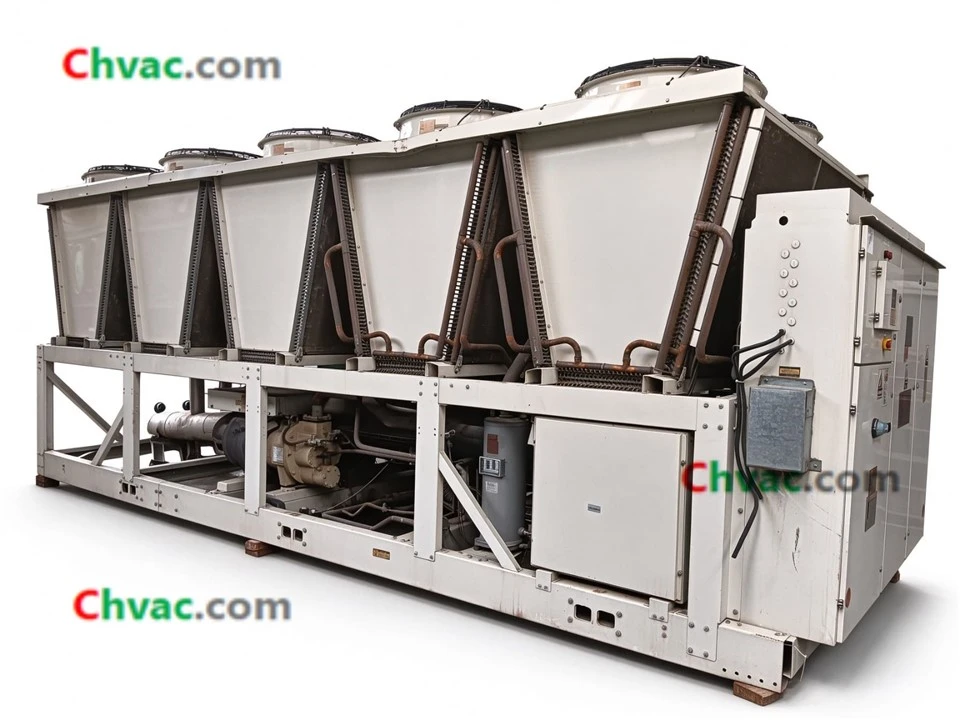
Now, let's talk about energy costs-this is what moves the needle for most owners. A well-integrated chiller will run way more efficiently than a separate cooling system. For context, Carrier's new water-cooled chillers (like our Carrier 30XW1261 Water-cooled Chiller, which is optimized for mid-sized commercial spaces) have a high Energy Efficiency Ratio (EER), meaning they use less electricity to produce the same amount of cooling. I've seen clients cut their annual cooling energy bills by 20-35% just by switching from old, inefficient HVAC to a properly integrated chiller system. The key here is right-sizing: if you overbuy a 1,000RT chiller for a 50,000 sq ft building, you'll only use 40% of its capacity 90% of the time, so you're wasting money on a unit that's running at a fraction of its efficiency.
Wait, but what about maintenance? A lot of people hold back from integrating a chiller because they think it'll add extra upkeep work. The truth is, when you work with a supplier who tests their equipment (especially used units) and helps with integration, maintenance is straightforward. Centrifugal and screw chillers have fewer moving parts than older HVAC systems, so they break down less often. For example, our tested used chillers-like the Trane 156RT Air Cooled Screw Chiller RTAG155P (Used) in Stock-come with a 90-day functional guarantee, so you know they'll work with your HVAC system without constant repairs. Even better, integrating the chiller with your building's BMS (Building Management System) lets you monitor performance in real time, so you can catch small issues before they turn into big, expensive breakdowns.
Let's also address the biggest myth I hear from hesitant clients: "My HVAC system is too old to integrate a chiller." I work with tons of retrofits for buildings that are 20, 30, even 50 years old. The process doesn't require a full HVAC replacement-we just adjust the distribution loop to tie the chiller in. For example, a 1970s-era office building in downtown Chicago I worked with last year had outdated air handlers that were costing them $18k a year in cooling bills. We retrofitted a York screw air-cooled chiller, adjusted their existing water lines, and integrated it with their BMS, and they cut their cooling costs by $6,200 in the first year. No full tear-out, no massive downtime-just a smart integration that fit their existing setup.
Another thing to consider: load shifting and sustainability goals. More and more building owners are pushing for net-zero or lower carbon footprints, and a chiller-integrated system makes that easier. You can pair the chiller with a variable refrigerant flow (VRF) system or add solar panels to power the chiller during peak sun hours, cutting grid reliance even more. Some newer chillers, like the Carrier 30XW1261 Water-cooled Chiller, are designed to work with low-GWP (Global Warming Potential) refrigerants, which are better for the environment and meet modern sustainability regulations.
Now, I want to be real here-this isn't a DIY project. Trying to integrate a chiller with your HVAC on your own can lead to flow issues, efficiency drops, or even equipment damage. The best approach is to team up with a supplier who specializes in chiller integration, can assess your building's load, and help you pick the right unit. Whether you're a small business owner looking for a York used chiller to upgrade your café's cooling, or a facilities manager for a 10-story office needing a new Carrier centrifugal chiller, we've got options for every budget and building size.
At the end of the day, integrating a chiller with your HVAC system is one of the most impactful upgrades you can make for your building. It's not just about cooling-it's about lower utility bills, better tenant comfort, less maintenance, and meeting modern sustainability standards. If you're ready to explore what works for your space, get in touch with our team to discuss your needs, get a custom quote, and make sure the integration fits your existing HVAC setup.
References
- ASHRAE Handbook - HVAC Systems and Equipment, American Society of Heating, Refrigerating and Air-Conditioning Engineers
- Carrier Commercial Chiller Product Specifications, Carrier Global Corporation
- York Water-Cooled Chiller Efficiency Data, Johnson Controls
- Trane Used Chiller Functional Testing Standards, Trane Technologies
- Commercial Building Energy Code Requirements, International Energy Conservation Code