


CHVAC (Shanghai) Machinery Co., Ltd., established in 1999, specializes in the trade of large, new, and pre-owned refrigeration units and HVAC solutions. The company’s extensive product range includes:
New and ex-stock centrifugal chilled water air conditioning units
Screw chilled water and heat pump ice-making units
Air-cooled screw cooling and heating units
Air-cooled vortex cooling and heating units
Air-cooled piston cooling and heating units
Centrifugal screw compressors
Chiller parts


Why Choose Us?
Affordable parts
We provide parts at the lowest prices, making it economical to maintain your product and keep it running efficiently.
24/7 service centers
Our service centers operate around the clock, offering support whenever you need it, including evenings and weekends.
Rich experience
The company has long market experience and stable technical skills. The team understands project needs and offers clear solutions. Customers receive reliable support in every step.
Integrated business system
The company covers chiller sales, parts supply, and maintenance service. It manages multiple CHVAC brand companies in China and overseas. Customers get full support from one service platform.
Types of Chiller:
Vapor compression chiller systems
Vapor compression chillers are the most common type of chiller system used in commercial and industrial applications. They operate by compressing a refrigerant, which absorbs heat from the environment and then releases it outside. Vapor compression chillers are further categorized based on their configurations, so you can choose from air-cooled chillers and water-cooled chillers.
Air-cooled chillers
Air-cooled chillers dissipate heat by using air as the cooling medium. These chillers are ideal for applications where water is scarce or unavailable. They are typically installed outdoors and use fans to move air across a condenser, cooling the refrigerant. Air-cooled chillers are easy to maintain and have lower initial costs, but they can be less energy-efficient compared to water-cooled systems.
Water-cooled chillers
Water-cooled chillers use water to absorb and dissipate heat. These systems are usually installed indoors and require a cooling tower to expel the absorbed heat into the atmosphere. Water-cooled chillers are more energy-efficient and have a longer lifespan compared to air-cooled chillers. However, they require more maintenance and have higher initial setup costs.
Absorption chiller systems
Absorption chillers use a different method to produce cooling than compression chillers. Instead of relying on mechanical compression, these chillers use a heat source to drive the refrigeration cycle. The heat source can be natural gas, steam, or hot water. Absorption chillers are particularly beneficial where waste heat or renewable energy sources are available. They are commonly used in applications where electrical demand needs to be minimized.
Benefits of Chiller:

Energy efficiency
Chiller systems are a very efficient way to cool large spaces. They can save significant energy costs compared to other cooling systems, such as direct expansion systems.
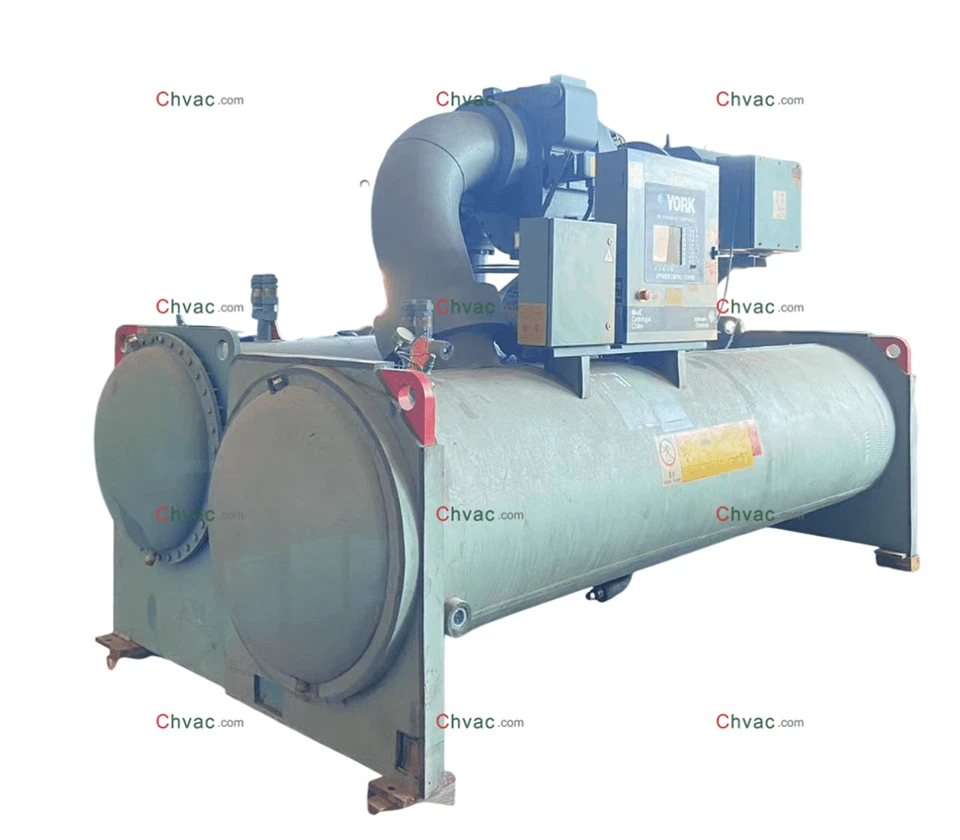
Scalability
Chiller systems can be scaled to meet the needs of buildings and facilities of all sizes. They can be easily expanded or downsized as needed.
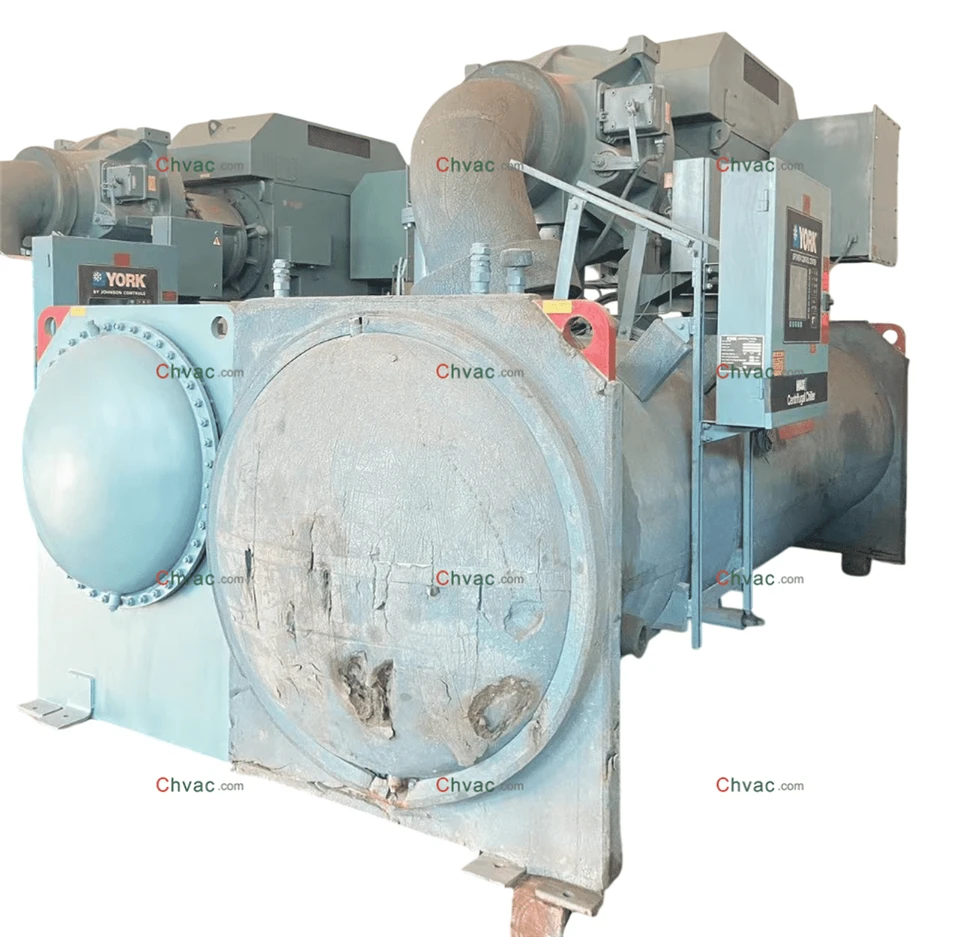
Zoning
Chiller systems can be scaled to meet the needs of buildings and facilities of all sizes. They can be easily expanded or downsized as needed.

Reduced maintenance requirements
Chiller systems typically require less maintenance than other cooling systems. This can save money and time over the life of the system.
Suitability of chilled water systems:
The suitability of a chiller system for a specific application depends on factors like the cooling load, local climate conditions, budget, and energy efficiency goals. It is important to consult with HVAC professionals or engineers to determine the most appropriate cooling solution for a particular building or facility.
Applications of Chiller:
Plastics & rubber:
Cooling molds in injection molding, extrusion, and blow molding to ensure consistent part quality and reduce cycle times.
Food & beverage:
Used in chilling tanks, freezing tunnels, and process cooling to maintain food safety and extend shelf life.
Pharmaceuticals:
Critical for temperature-sensitive processes like fermentation, crystallization, and storage of active ingredients.
Chemical processing:
Controls exothermic reactions and maintains safe operating temperatures in reactors and distillation units.
Metal & machining:
Cools cutting fluids and machinery in CNC machining, grinding, and welding to prevent tool wear and thermal deformation.
Laser & electronics:
Maintains stable temperatures in high-power laser systems, semiconductor manufacturing, and circuit board production.
Data centers:
Provides precision cooling for servers and it infrastructure to prevent overheating and ensure uptime.
Commercial buildings:
Part of HVAC systems to cool large spaces efficiently, especially in hospitals, shopping malls, and office complexes.
Certificate


FAQ
As one of the leading chiller suppliers in China, we warmly welcome you to buy discount chiller in stock here from our factory. All our products are with high quality and competitive price.
york chiller system, rtwd chiller, industrial water coolers