


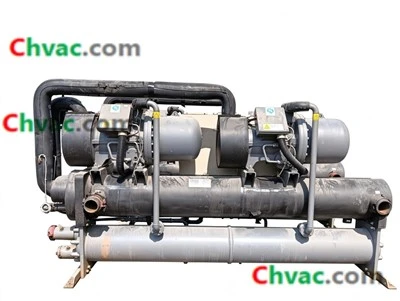
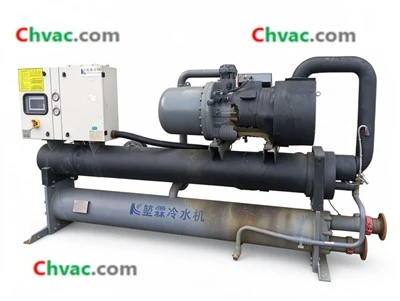
CHVAC (Shanghai) Machinery Co., Ltd., established in 1999, specializes in the trade of large, new, and pre-owned refrigeration units and HVAC solutions. The company’s extensive product range includes:
New and ex-stock centrifugal chilled water air conditioning units
Screw chilled water and heat pump ice-making units
Air-cooled screw cooling and heating units
Air-cooled vortex cooling and heating units
Air-cooled piston cooling and heating units
Centrifugal screw compressors
Host machine accessories




Why Choose Us?
Affordable parts
We provide parts at the lowest prices, making it economical to maintain your product and keep it running efficiently.
24/7 service centers
Our service centers operate around the clock, offering support whenever you need it, including evenings and weekends.
Rich experience
The company has long market experience and stable technical skills. The team understands project needs and offers clear solutions. Customers receive reliable support in every step.
Integrated business system
The company covers chiller sales, parts supply, and maintenance service. It manages multiple CHVAC brand companies in China and overseas. Customers get full support from one service platform.
Types of Other Chillers:
Water-cooled chillers
Water-cooled chillers use water from an external cooling tower to reject heat from a gaseous refrigerant in the condenser before it changes into a liquid.
Air-cooled chillers
In place of the cooling water, air-cooled chillers use ambient air to reject heat from the refrigerant in the condenser. Learn more about air-cooled chillers vs. water-cooled chillers.
Vapor compressor chillers
This type of chiller uses refrigerants to cool process fluids and spaces. A compressor is used as the driving force to pump refrigerant around the system.
Vapor absorption chillers
Vapor absorption chillers have no compressor in the unit. Instead, they use a heat source, e.g. solar energy or waste heat to drive the coolant through the system.
Glycol chillers
Glycol chillers are special types that use propylene glycol, an anti-freeze, in the system. They are widely used in food-grade applications such as in the production of alcohol and for brewery chilling systems.
Centrifugal chillers
Centrifugal chillers consist of the usual evaporator, compressor, condenser, and expansion device set-up but with additional rotating impellers which compress the refrigerant and transport it around the system. They benefit medium to large-scale cooling operations (from 150 – 6000 tons of refrigeration).

Manufacturing
In manufacturing, chiller systems cool equipment to maintain optimal operating temperatures. This includes cooling for plastic injection molding, metalworking, chemical production, and more. Efficient cooling is critical to ensure product quality and prevent equipment overheating.
Data centers
Data centers generate significant amounts of heat due to the high density of electronic equipment. Chiller systems are essential to keep data centers cool, ensuring the longevity of servers and other critical infrastructure. Air-cooled and water-cooled chillers are used, depending on the data center’s requirements.
Food and beverage industry
In the food and beverage industry, maintaining precise temperatures is crucial for processing, storing, and transporting perishable products. Chiller systems help in various applications such as cooling during pasteurization, maintaining fermentation temperatures, and preserving products in cold storage.
Pharmaceutical industry
The pharmaceutical industry relies on chiller systems to maintain strict temperature controls during the production of medications and vaccines. This includes cooling for reaction vessels, lyophilization processes, and storage of temperature-sensitive compounds.
HVAC systems
Commercial buildings, hospitals, and other large facilities use chiller systems as part of their HVAC systems to provide comfortable indoor environments. Chillers help regulate temperature and humidity, ensuring occupant comfort and maintaining indoor air quality.
Function of Other Chillers:
Temperature control:
Precisely regulates the temperature of equipment such as molds, reactors, and hydraulic systems to prevent overheating.
01
Process stability:
Ensures consistent cooling during production cycles, which is essential for high-quality output in industries like plastics, pharmaceuticals, and food processing.
02
Equipment protection:
Prevents thermal stress and premature wear on sensitive components, extending the lifespan of expensive machinery.
03
Productivity enhancement:
Enables continuous operation by minimizing downtime caused by overheating, thereby improving throughput and efficiency.
04
Energy recovery support:
In some systems, chillers work in tandem with heat recovery units to reuse thermal energy, contributing to energy savings and sustainability.
05
Certificate


FAQ
As one of the leading chillers suppliers in China, we warmly welcome you to buy discount chillers in stock here from our factory. All our products are with high quality and competitive price.
trane hdwa, trane cvha chiller, trane rthb chiller