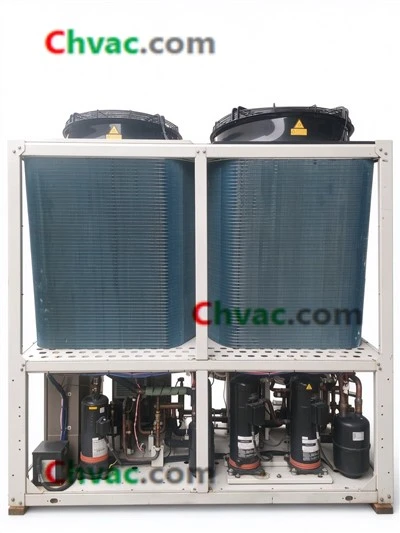
Can a chiller operate in extreme temperatures?
Leave a message

If you're a facility manager, HVAC tech, or just someone who's ever struggled with a cooling system that dies mid-summer or freezes solid in a harsh winter, you've probably asked this question: Can a chiller actually operate in extreme temperatures? As a chiller supplier who's fielded this question more times than I can count, let's cut through the confusion and get real about what's possible-because the answer isn't a simple yes or no. It depends on the type of chiller, how it's built, and how you tweak it for whatever temperature chaos Mother Nature throws at it.
First, let's define "extreme temperatures" for chillers, since that term means different things to different people. For most commercial and industrial setups, extreme cold is anything below 0°F (-18°C)-think warehouses in northern states, outdoor data centers in Canada, or manufacturing plants in places like Siberia (yeah, I've had a customer in Russia ask about this). Extreme heat is anything above 110°F (43°C)-like factories in the Southwest US, data centers in the Middle East, or even server rooms in stuffy urban areas where the ambient temp spikes in summer. Chillers aren't designed to handle these out-of-the-box, but that doesn't mean they're dead in the water. Let's break down hot extremes first, because that's the one most people deal with day-to-day.
When temperatures soar, the biggest problem chillers face is efficiency drop-off. Most air-cooled chillers, for example, use ambient air to reject heat from their refrigerant loop. If that air is 115°F instead of 90°F, the chiller has to work way harder to cool the refrigerant down enough to do its job. That means higher energy bills, longer run times, and sometimes even shutting down if it overheats. But water-cooled chillers are a different story-they use water from a cooling tower to reject heat, so their performance stays more consistent in hot temps, as long as the cooling tower is maintained. I've seen our clients use the Trane RTHD Chiller in desert climates, and it holds steady even when ambient temps hit 118°F, because it's built with a robust condenser that handles high ambient heat without breaking a sweat. That's why it's been a go-to for factories and data centers in Arizona and Saudi Arabia-its design avoids the efficiency gaps that smaller chillers have when it's sweltering.
But what about when the mercury drops? Extreme cold is a whole other beast, because now we're dealing with refrigerant that can get too viscous, water in lines that can freeze (yes, even in chillers), and oil that thickens up so the compressor can't move it around. A lot of off-the-shelf chillers will throw an error code and shut down below 32°F (0°C) if they're air-cooled, because there's not enough ambient heat to keep the refrigerant from getting too cold. But there are workarounds, and not just for mild cold-we've helped a customer in Minnesota keep their chiller running when temps dipped to -15°F (-26°C) last winter. The trick here is usually adding heating trace lines to water pipes, using cold-tolerant refrigerant blends, and sometimes even incorporating a heat pump element to keep the internal components warm enough. We've also got used units that are perfect for cold climates-like the KUENLING AIR 255/188RT Flooded Water-source Heat Pump KLSH-250S-FO-VJAO, which is built to handle low ambient temps because its flooded design improves heat transfer even when it's freezing outside. It's been a solid pick for greenhouses in northern states, where they need cooling in summer but also need the unit to run efficiently in winter for heating (yes, heat pump chillers can do both-cool and heat-depending on the season).
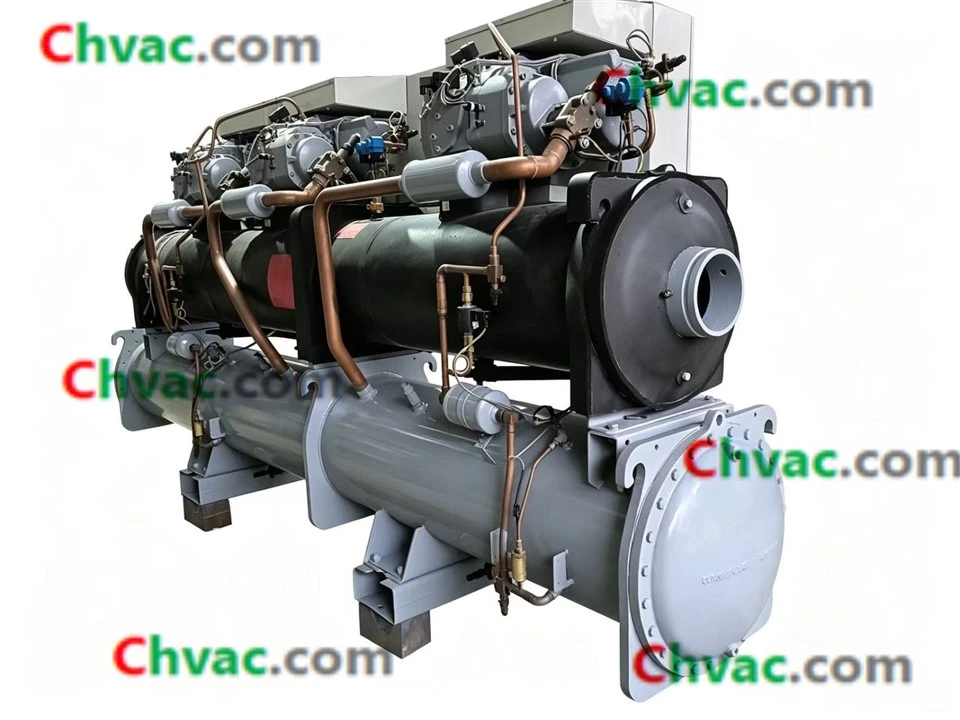 Wait, let's talk about different chiller types, because not all are created equal when it comes to extremes. Centrifugal chillers are usually the big ones for large buildings-like the York Centrifugal YKCQCQQ55CKG/XF22 Water Cooled Chiller I mentioned earlier. They work best in mid-range temps, but some newer models are built with variable speed drives that adjust to ambient conditions, so they can handle hotter or colder temps without losing too much efficiency. Screw chillers, on the other hand, are more versatile, and used ones like the Used Carrier 30HXC250AH Screw Water‑cooled Liquid Chiller, 890kW are popular for extreme temps because they're durable and can handle off-design conditions better than centrifugal models. I had a customer in Texas use a screw chiller for their food processing plant last summer, and it ran nonstop at 112°F ambient without any issues-they said their energy use only went up 12%, which is way better than the 30% I've seen with cheaper air-cooled units. Screw chillers also handle cold better because their compression design doesn't rely on a narrow operating range like centrifugal ones do, so with a little pre-heating of the oil, they'll run fine down to 0°F.
But here's the thing: even the most extreme-temperature chillers have limits. You can't take a standard air-cooled chiller and stick it in a place where it's regularly 120°F, and expect it to live. The internal components-compressor, condenser, expansion valve-are rated for specific temperature ranges, and pushing them past that will cause wear and tear, higher maintenance costs, and shorter unit life. I've seen customers try to cut corners by buying cheap chillers for extreme climates, and they end up replacing them every 2 years instead of 10. That's why working with a supplier who knows these limits is key-we don't sell one-size-fits-all units; we help clients pick or modify chillers based on their exact climate and needs.
Let's get into some real-world examples to make this concrete. Last year, a data center client in Dubai hit me up because their old chiller was dying when ambient temps went over 115°F. They were spending $20k a month on emergency repairs and energy bills, so we recommended a Trane RTHD Chiller-this unit's condenser is designed to handle high ambient heat by using a larger heat transfer surface, so it doesn't have to strain as hard. After installation, their energy bills dropped 22% and they haven't had an unplanned shutdown in 8 months. On the flip side, a food storage client in Alaska needed a chiller that could run at -10°F for their frozen warehouse. A standard unit would have frozen up within a week, so we paired a used KUENLING AIR 255/188RT Flooded Water-source Heat Pump with heating trace lines on the water pipes and a cold-rated refrigerant blend. It's now been running for 14 months without any issues, even when temps dipped to -18°F last January.
Another example: a manufacturing plant in Germany that makes metal parts runs 24/7, and their ambient temps range from 95°F in summer to 5°F in winter. We suggested a Climaveneta 142RT Water Cooled Screw Chiller CSRH5002C-Y(Used)in Stock because screw chillers handle variable temps better than centrifugal ones. They adjusted the cooling tower chemistry to avoid scaling in summer, and added low-temp sensors to trigger the trace heating in winter. Now they run the same chiller year-round, no swaps, no downtime. The key here is not just the chiller itself, but the supporting systems-cooling towers, pipe insulation, heating elements, refrigerant type. You can't just plug in a chiller and call it a day; you have to tailor the setup to the climate.
What about common mistakes people make when dealing with extreme temps? Let's list a few, because I've seen them all. First, skipping maintenance during mild seasons. If you don't clean the condenser coil in spring, it's going to get choked with dust when summer hits, making it way worse in 110°F heat. Second, using the wrong refrigerant. Some refrigerants thicken too much in cold temps, or break down in extreme heat, so picking the right blend is non-negotiable. Third, not accounting for humidity. Wait, I didn't talk about humidity earlier, but it's a big one in hot temps. High humidity makes air-cooled chillers less efficient because the air can't hold as much heat, so the unit has to work harder. That's why water-cooled chillers are usually better in humid hot climates-they don't rely on ambient air humidity. Fourth, ignoring pipe insulation in cold temps. Even a small leak in insulation can lead to freezing pipes, which burst and cause thousands in damage. We always recommend closed-cell insulation for chillers in cold climates, because it's moisture-resistant and keeps pipes warm.
Now, let's talk about the future, because extreme temps are only going to get worse with climate change. A lot of cities are seeing record highs and lows, so chillers that can handle a wider temperature range will be more important than ever. Manufacturers are already working on next-gen chillers with variable speed compressors, advanced heat exchangers, and smart controls that adjust in real-time to ambient temps. For example, some new chillers can automatically lower the compressor speed when it's really hot to avoid overworking, or activate the trace heating when temps drop below freezing-no manual adjustments needed. But even with these new techs, the basics still apply: pick a chiller type that matches your climate, invest in good supporting systems, and schedule regular maintenance.
If you're in a place where temps swing wildly or stay consistently extreme, don't just guess about your chiller-talk to a supplier who knows their stuff. We don't just sell chillers; we help you figure out what will work for your specific situation, whether that's a new unit like the Trane RTHD Chiller, or a used one that's proven to handle extremes like the KUENLING AIR or Climaveneta models. We can also help with modifications, like adding trace heating or adjusting refrigerant, to make a standard chiller work for your climate without breaking the bank. At the end of the day, a chiller can operate in extreme temperatures-you just have to pick the right one, set it up right, and keep it maintained.
If you're dealing with a chiller that's struggling in hot or cold temps, or you need help picking one for an extreme climate, reach out. We'll walk you through the options, help you avoid costly mistakes, and make sure your cooling system runs no matter what the weather brings.
References:
- Trane. (n.d.). RTHD Chiller. Retrieved from /chiller/trane-chillers/rthd-chiller.html
- AB Chiller. (n.d.). KUENLING AIR 255/188RT Flooded Water-source Heat Pump KLSH-250S-FO-VJAO (Used)in Stock. Retrieved from /chiller/other-chillers/kuenling-air-255-188rt-flooded-water-source.html
- AB Chiller. (n.d.). Climaveneta 142RT Water Cooled Screw Chiller CSRH5002C-Y(Used)in Stock. Retrieved from /chiller/other-chillers/climaveneta-142rt-water-cooled-screw-chiller.html
- AB Chiller. (n.d.). York Centrifugal YKCQCQQ55CKG/XF22 Water Cooled Chiller. Retrieved from /chiller/york-centrifugal-ykcqcqq55ckg-xf22-water.html
- AB Chiller. (n.d.). Used Carrier 30HXC250AH Screw Water‑cooled Liquid Chiller, 890kW. Retrieved from /chiller/carrier-chillers/used-carrier-30hxc250ah-screw-water-cooled.html
- ASHRAE. (2021). HVAC Systems and Equipment Handbook: Chillers for Extreme Temperatures. American Society of Heating, Refrigerating and Air-Conditioning Engineers.
- Carrier Corporation. (2022). Chiller Performance in Off-Design Operating Conditions. Carrier Global Corporation.