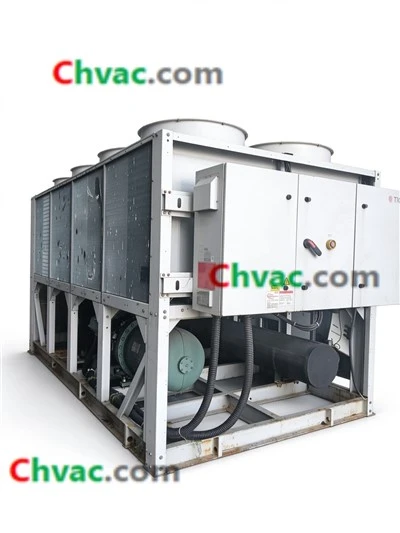
Can the Trane Centrifugal Chiller be retrofitted into an existing building?
Leave a message

As a supplier of Trane Centrifugal Chillers, I often encounter inquiries from building owners and facility managers about the feasibility of retrofitting these high - performance chillers into existing buildings. In this blog, I'll explore the various aspects of retrofitting Trane Centrifugal Chillers, including the benefits, challenges, and key considerations.

Benefits of Retrofitting Trane Centrifugal Chillers
Energy Efficiency
One of the most significant advantages of retrofitting a Trane Centrifugal Chiller is the potential for improved energy efficiency. Older chillers may have become less efficient over time due to wear and tear, outdated technology, or inefficient operation. Trane Centrifugal Chillers are designed with advanced technologies such as variable - speed drives and optimized compressor designs. These features allow the chiller to adjust its capacity based on the actual cooling load, resulting in significant energy savings. For example, in a large commercial building with varying cooling demands throughout the day, a Trane Centrifugal Chiller can operate at part - load conditions more efficiently than an older, fixed - speed chiller, reducing energy consumption and utility costs.
Environmental Impact
In addition to energy savings, Trane Centrifugal Chillers are designed to be more environmentally friendly. They use refrigerants with lower global warming potential (GWP) compared to some older refrigerants. By retrofitting an existing building with a Trane Centrifugal Chiller, building owners can contribute to reducing their carbon footprint and meeting environmental regulations. This is especially important in today's world, where sustainability is a key concern for many businesses and organizations.
Improved Performance and Reliability
Trane is a well - known brand in the HVAC industry, and its centrifugal chillers are built to high standards of quality and reliability. Retrofitting an existing building with a Trane Centrifugal Chiller can provide more consistent and reliable cooling performance. These chillers are equipped with advanced control systems that can monitor and adjust the chiller's operation in real - time, ensuring optimal performance and reducing the risk of breakdowns. This can lead to fewer disruptions in building operations and lower maintenance costs in the long run.
Challenges of Retrofitting Trane Centrifugal Chillers
Space Constraints
One of the main challenges of retrofitting a Trane Centrifugal Chiller into an existing building is space. Older buildings may not have been designed with the size and layout requirements of modern centrifugal chillers in mind. The chiller itself, along with its associated equipment such as pumps, piping, and electrical panels, requires a certain amount of space for installation and maintenance. In some cases, it may be necessary to modify the existing mechanical room or find an alternative location for the chiller, which can add to the cost and complexity of the retrofit project.
Compatibility with Existing Systems
Another challenge is ensuring compatibility with the existing HVAC systems in the building. The Trane Centrifugal Chiller needs to be integrated with the existing chilled water distribution system, controls, and other HVAC components. This may require modifications to the piping, valves, and control interfaces to ensure proper operation. In addition, the existing electrical system may need to be upgraded to handle the power requirements of the new chiller. Failure to address these compatibility issues can lead to poor performance, inefficiencies, and even system failures.
Cost
Retrofitting a Trane Centrifugal Chiller can be a significant investment. The cost includes not only the purchase price of the chiller but also the cost of installation, system modifications, and commissioning. Building owners need to carefully consider the upfront cost versus the long - term savings in energy and maintenance. In some cases, it may be possible to obtain financing or incentives for energy - efficient retrofit projects, which can help offset the initial cost.
Key Considerations for Retrofitting Trane Centrifugal Chillers
Site Assessment
Before starting a retrofit project, a detailed site assessment is essential. This includes evaluating the available space, the condition of the existing HVAC systems, the electrical infrastructure, and the building's cooling load requirements. A professional HVAC engineer or contractor should conduct the assessment to identify any potential issues and develop a comprehensive retrofit plan. The assessment should also consider the future expansion or changes in the building's use, as this can affect the chiller's capacity and performance requirements.
System Design
The design of the retrofit system is crucial for ensuring optimal performance. The Trane Centrifugal Chiller should be sized correctly based on the building's cooling load, and the chilled water distribution system should be designed to provide efficient and balanced flow. The control system should be integrated with the existing building management system to allow for centralized monitoring and control. In addition, the design should take into account the ease of maintenance and access to the chiller and its components.
Installation and Commissioning
Proper installation and commissioning are critical for the successful operation of the Trane Centrifugal Chiller. The installation should be carried out by experienced HVAC contractors who are familiar with Trane equipment. During the commissioning process, the chiller and its associated systems should be thoroughly tested and calibrated to ensure that they are operating at their best. This includes checking the refrigerant charge, the performance of the pumps and fans, and the functionality of the control system.
Examples of Other Trane Chillers
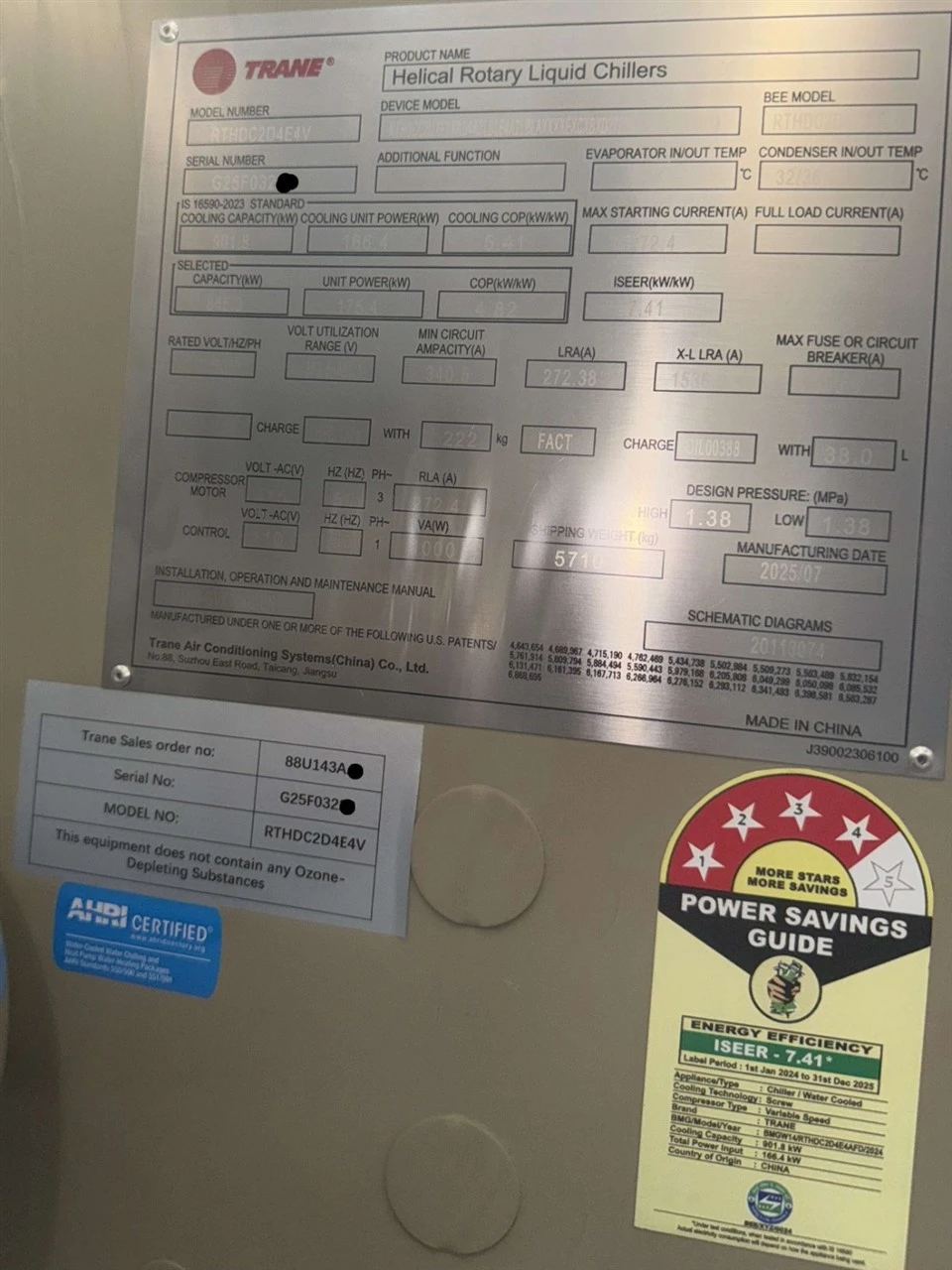
In addition to the Trane Centrifugal Chiller, Trane offers a range of other high - quality chillers. The Trane Screw Chiller is a popular choice for medium - sized commercial and industrial applications. It offers reliable performance and energy efficiency in a compact design. The TRANE 250 TR Water Cooled Chillers RTHDC2D4E4 VFD CHVAC 2025/07 is another option, providing efficient cooling for larger buildings. And the Trane RTAC Chiller is known for its advanced technology and flexibility in various applications.
Conclusion
Retrofitting a Trane Centrifugal Chiller into an existing building can offer many benefits, including energy savings, environmental friendliness, and improved performance. However, it also comes with challenges such as space constraints, compatibility issues, and cost. By carefully considering the key factors and working with experienced professionals, building owners can overcome these challenges and achieve a successful retrofit project.
If you are interested in learning more about retrofitting a Trane Centrifugal Chiller into your existing building or exploring our other chiller options, I encourage you to reach out to us for a consultation. We have a team of experts who can provide you with detailed information and help you make an informed decision.
References
- Trane Technical Documentation
- HVAC Industry Publications on Chiller Retrofitting
- Energy Efficiency Reports on Commercial Building Retrofits