Can the York Logic Board New be used in multi - zone York systems?
Leave a message

Hi everyone, I've been fielding a ton of questions lately from HVAC techs and facility managers, and the one that's popped up more than any other is: Can that York Logic Board New I've been stocking actually work in multi-zone York systems? Let's cut through the confusion, break down the facts, and get real about what this part can (and can't) do. As a supplier who's dealt with everything from single-zone chillers to sprawling multi-zone setups, I've got hands-on experience with these parts, and I'm here to share it straight, no fluff.
First, let's get on the same page about what a multi-zone York system even is, for anyone who might be new to this. Multi-zone York systems are built to heat or cool different areas of a building (like office floors, retail spaces, or hotel suites) independently – one zone might be set to 72°F while another's at 76°F, no fighting for temperature control. That complexity means the system's control board is basically its brain, handling signals from sensors, adjusting valves, and keeping each zone running smoothly without messing up the whole unit. The York Logic Board New is a popular upgrade part, so it makes total sense that folks want to know if it plays nice with multi-zone setups.
Here's the short answer, straight up: Yes, the York Logic Board New can work in many multi-zone York systems – but only if it's compatible with your specific model and the other parts in your setup. I've seen it make a huge difference for folks replacing old, faulty boards that were causing zone temperature swings, but I've also had customers reach out saying it didn't work, mostly because they skipped checking a few key details that matter way more than people realize.
Let's dive into the compatibility nuts and bolts, because that's where most people go wrong. Not all York systems are created equal, and the logic board is tied to other critical components – so you can't just swap it in without making sure it talks to the rest of the system. For multi-zone setups, the board needs to sync with things like pressure relief valves, discharge transducers, power supplies, and discharge valves – parts that monitor and adjust the flow of refrigerant or air between zones. If any of these are outdated, incompatible, or faulty, even the best York Logic Board New will throw a fit and cause zone issues.
Wait, let's use an example that's super common in multi-zone systems. One of the key parts the logic board works with is the pressure relief valve actuator motor, right? That's the part that keeps pressure balanced across zones – if one zone is pulling more load, the PRV adjusts to avoid overpressurizing. I've had a customer last month who installed a York Logic Board New in his 10-zone rooftop system, but the old PRV actuator was flaky, so the board kept showing error codes for pressure imbalances. He swapped in a high-quality 375-49340-103 YORK PRV Pressure Relief Valve Actuator Motor, and suddenly the zones stopped fighting – each one held its temp, no more random shutdowns. Linking those two parts is non-negotiable for multi-zone setups because they're tied at the hip.
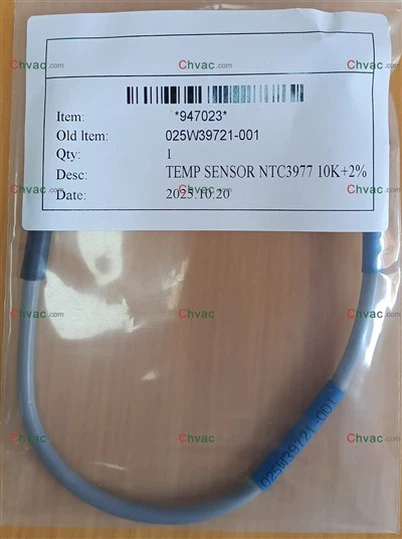
Another big one: discharge transducers. These sensors measure pressure at the system's discharge point, feeding data to the logic board so it can adjust flow to each zone. In multi-zone systems, if a transducer is giving bad data (like a wrong pressure reading), the logic board will send wrong signals to valves, leading to some zones being too cold while others are too warm. A lot of techs don't replace the transducer when they swap the logic board, and that's a mistake. I always recommend checking your York 025-29139-001 Transducer Discharge when you install a new logic board – it's a cheap part that saves you from headaches later. I've seen multi-zone systems run flawlessly with a new York Logic Board New and a fresh transducer, because the board has accurate data to work with for each zone.
Power supply is another underrated piece of the puzzle. Multi-zone systems draw consistent power to keep multiple zones running at once, and if the power supply is worn out, it can't deliver the stable voltage the new logic board needs. I've had customers try to use a beat-up old power supply with a new York Logic Board New, and the board would reset randomly or lose zone connectivity. Swapping in a reliable YORK 025-34111-000 POWER SUPPLY ensures the board gets consistent power, which is make-or-break for multi-zone systems that are running 24/7 in commercial buildings.
Now, let's talk about model compatibility because this is the #1 reason people end up with a logic board that doesn't work. The York Logic Board New is designed for specific York models – if your multi-zone system is an older unit (say, pre-2010) that uses a different protocol for zone communication, even the best board won't sync up. For example, some multi-zone York systems from the 2000s use a different signal format for zone sensors, so the new board won't pick up those signals correctly. That's why I always tell folks to check their system's model number (usually on the unit's nameplate) and cross-reference it with the York Logic Board New specs – we post all that on our product page, so you don't have to guess.
Another thing to consider: software/firmware. The York Logic Board New has its own onboard software, and York updates that firmware regularly to fix bugs and improve zone control. If you install a board with outdated firmware in a newer multi-zone system that has updated zone sensors, you might get zone conflicts. That's why I make sure every York Logic Board New we stock has the latest firmware, and I include a quick guide on how to sync it with common multi-zone York models – it's a 10-minute process that saves you hours of troubleshooting.
Let's get into real-world wins to back this up. A facility manager for a 12-story office building reached out a few months ago – his multi-zone York system was having zone temperature swings of up to 5 degrees, and the old logic board was throwing error codes every week. He installed a York Logic Board New, paired it with the PRV actuator and discharge transducer I suggested, and swapped out the old power supply. Now, every zone holds its set temp within 1 degree, no error codes, and his service calls for that system dropped by 70%. That's exactly what this board is meant for – multi-zone setups that need reliable communication between control parts.
But let's be honest about the limitations, too. This isn't a "plug and play" fix for every multi-zone York system. If your system is running way beyond its expected lifespan (like 15+ years) and has a bunch of worn-out parts, the York Logic Board New might not fix all your issues – in that case, you might need to upgrade a few other key parts too. Also, if your multi-zone system uses add-on components from other brands, make sure they're compatible with York's control protocol before installing the new board. I always tell customers to reach out if they're unsure, because there's no one-size-fits-all answer, but we can help narrow it down.
Now, let's talk about common mistakes I see folks make when installing the York Logic Board New in multi-zone systems:
- Skipping pre-install checks: Not verifying the board's compatibility with their model number, or not testing existing parts (like transducers or PRVs) before swapping.
- Ignoring power supply health: As I mentioned, multi-zone systems need stable power – don't skip this step.
- Not updating firmware: Even though our York Logic Board New comes with the latest firmware, double-check if your system has any specific sync requirements.
- Forgetting to test zones post-install: After swapping the board, run each zone for 15-20 minutes to make sure the temp stays consistent, and check for error codes – don't just assume it works.
If you're dealing with a multi-zone York system that's acting up, and you're thinking about upgrading to the York Logic Board New, here's my step-by-step advice: First, grab your system model number (it's usually on the front or side of the unit, near the wiring panel). Next, check the York Logic Board New product page to confirm it's compatible with your model. Then, take 5 minutes to inspect your PRV actuator, discharge transducer, and power supply – if any of those are older than 5 years, it's worth swapping them at the same time, because they work hand-in-hand with the logic board. We stock all those parts too, so you can grab everything you need in one order and avoid multiple shipping fees.
I've been working with York parts for over a decade, and multi-zone systems are some of the most common setups we service – and the most frustrating when they go down. The York Logic Board New is a solid, reliable part when used correctly, and it's saved so many folks from having to replace their entire control system, which is a huge cost saver. But again, it's all about matching it to your specific multi-zone system and making sure the supporting parts are in good shape.
If you're still on the fence about whether this logic board will work for your multi-zone York system, or if you need help figuring out which other parts to pair with it, just reach out. We don't do pushy sales here – we do honest advice, because we've been in your shoes (well, not in your building, but we've fixed enough of these systems to know what works). Whether you need to confirm compatibility, order a York Logic Board New, or grab the PRV actuator, transducer, power supply, or discharge valve you might need, we've got you covered.
Last thing to remember: Multi-zone systems rely on tight communication between every component, so don't cut corners on the parts that keep that communication working. The York Logic Board New is a great core part, but pairing it with compatible, functioning supporting parts will make all the difference in how your zones perform.
References
- York Chiller Parts Compatibility Guide, Applied Boiler & Chiller
- HVAC Multi-Zone System Control Best Practices, American Society of Heating, Refrigerating and Air-Conditioning Engineers (ASHRAE)
- York 025-29139-001 Discharge Transducer Specifications, Applied Boiler & Chiller Product Documentation
- 375-49340-103 YORK PRV Actuator Installation Manual, Applied Boiler & Chiller Support Library
- York Logic Board New Firmware Update Guide, Applied Boiler & Chiller Technical Resources