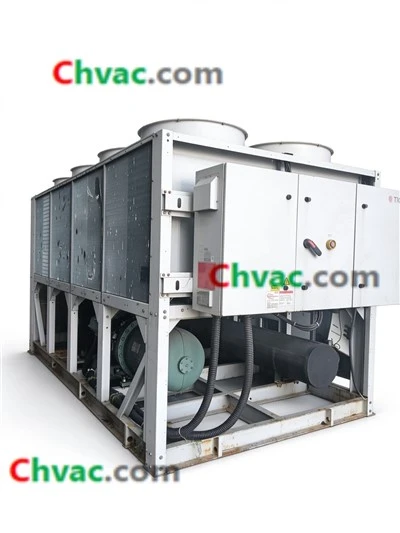
How to check the performance of a discount chiller?
Leave a message

Hey there! I'm a supplier of discount chillers, and I often get asked by customers about how to check the performance of these chillers. In this blog, I'll share some practical tips and methods that you can use to ensure your discount chiller is operating at its best.
Understanding the Basics of Chiller Performance
Before we dive into the actual checking process, it's important to understand what factors contribute to a chiller's performance. Key aspects include cooling capacity, energy efficiency, and reliability.


Cooling capacity refers to the amount of heat a chiller can remove from a space in a given time. It's usually measured in tons of refrigeration (TR). Energy efficiency is all about how much energy the chiller consumes to achieve that cooling capacity. A more energy - efficient chiller will cost you less to operate in the long run. Reliability means that the chiller can run smoothly without frequent breakdowns.
Visual Inspection
The first step in checking a chiller's performance is a simple visual inspection. Walk around the chiller and look for any obvious signs of damage or wear. Check for leaks in the refrigerant lines, water pipes, or electrical connections. Leaks can not only reduce the chiller's efficiency but also pose safety risks.
Inspect the condenser and evaporator coils. If they're dirty or clogged with debris, it can impede heat transfer and make the chiller work harder. You might notice that the chiller is running longer than usual or not cooling as effectively. In such cases, cleaning the coils can often improve performance.
Checking the Refrigerant Levels
Refrigerant is the lifeblood of a chiller. Proper refrigerant levels are crucial for optimal performance. Low refrigerant levels can lead to reduced cooling capacity and increased energy consumption.
You can use a pressure gauge to check the refrigerant pressure. Compare the readings with the manufacturer's specifications. If the pressure is too low, it could indicate a refrigerant leak. On the other hand, if the pressure is too high, it might be due to a blockage in the system or an overcharge of refrigerant.
Monitoring the Temperature and Pressure
Temperature and pressure are two key parameters that can tell you a lot about a chiller's performance. Use thermometers and pressure sensors to measure the temperature and pressure at various points in the chiller system, such as the inlet and outlet of the condenser and evaporator.
For example, if the temperature difference between the inlet and outlet of the evaporator is smaller than normal, it could mean that the chiller is not absorbing enough heat. Similarly, abnormal pressure readings can indicate problems like compressor issues or blockages in the refrigerant lines.
Evaluating the Compressor
The compressor is the heart of the chiller. It compresses the refrigerant and circulates it through the system. Listen for any unusual noises coming from the compressor, such as rattling or grinding sounds. These can be signs of mechanical problems, such as worn bearings or a faulty motor.
Check the compressor's operating temperature. If it's running too hot, it could be overworked or have poor ventilation. Also, monitor the compressor's amperage draw. An increase in amperage can indicate a problem with the compressor or the electrical system.
Assessing the Cooling Tower
If your chiller is connected to a cooling tower, such as the Cooling Tower LRCM - H - 150C2, it's important to check its performance as well. The cooling tower helps to remove heat from the condenser water.
Inspect the tower for proper water flow. Low water flow can reduce the cooling tower's efficiency. Check for any signs of scale or algae growth inside the tower, as these can also impede heat transfer. Make sure the fans are running smoothly and that the tower's basin is clean and free of debris.
Checking the Control System
The control system of a chiller is responsible for regulating its operation. Check the control panel for any error messages or warning lights. These can provide valuable clues about what's going wrong with the chiller.
Verify that the setpoints for temperature, pressure, and other parameters are correct. Incorrect setpoints can cause the chiller to operate inefficiently or even lead to damage. Make sure the sensors are working properly by comparing their readings with manual measurements.
Using Diagnostic Tools
In addition to the basic checks, you can also use diagnostic tools to get a more in - depth understanding of the chiller's performance. For example, a data logger can record temperature, pressure, and other parameters over a period of time. This data can help you identify trends and potential problems.
A refrigerant analyzer can be used to check the quality of the refrigerant. It can detect contaminants, such as moisture and non - condensable gases, which can affect the chiller's performance.
Comparing with Manufacturer's Specifications
One of the best ways to determine if your discount chiller is performing well is to compare its actual performance with the manufacturer's specifications. The manufacturer's documentation should provide information on the chiller's rated cooling capacity, energy efficiency, and other performance metrics.
If your chiller is falling short of these specifications, it might be time to take action. This could involve performing maintenance, replacing worn parts, or even upgrading the chiller.
Case Study: York RWKIl40 - CMWAY155CHS Chiller
Let's take a look at an example. Suppose you have a York RWKIl40 - CMWAY155CHS Chiller. You notice that the chiller is not cooling as effectively as it used to.
First, you do a visual inspection and find that the condenser coils are dirty. You clean the coils and notice a slight improvement, but the problem persists. You then check the refrigerant levels and find that they're low. After checking for leaks and topping up the refrigerant, the chiller's performance improves significantly.
However, you still notice that the compressor is running hot. You use a diagnostic tool to analyze the compressor's performance and find that the motor is overloaded. You consult the manufacturer's documentation and discover that the problem is due to a faulty YORK DISCHARGE PRESSURE TRANSDUCER. You replace the transducer, and the chiller starts operating normally again.
Conclusion
Checking the performance of a discount chiller is not as complicated as it might seem. By following these steps, you can ensure that your chiller is running efficiently and reliably. Remember, regular maintenance and performance checks can extend the lifespan of your chiller and save you money in the long run.
If you're in the market for a discount chiller or need help with chiller performance checks, don't hesitate to reach out. We've got a wide range of quality chillers at competitive prices, and our team of experts can provide you with all the support you need. Let's have a chat and see how we can meet your cooling needs!
References
- ASHRAE Handbook of Refrigeration
- Manufacturer's manuals for discount chillers