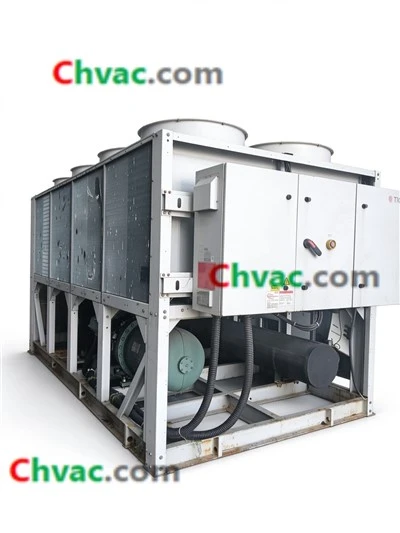
How to operate the chiller for sale?
Leave a message

Hey there! As a supplier of chillers for sale, I'm stoked to share some tips on how to operate these bad boys. Whether you're a newbie or looking to brush up on your chiller know - how, this guide is for you.
First off, let's talk about what a chiller is. In simple terms, a chiller is a machine that removes heat from a liquid via a vapor - compression or absorption refrigeration cycle. This cooled liquid then circulates through a heat exchanger to cool equipment or air in a building.
Pre - operation Checks
Before you fire up your chiller, there are a few things you gotta do. Start by checking the refrigerant levels. Low refrigerant can cause the chiller to work less efficiently and may even damage the compressor. Also, look at the oil level in the compressor. If it's too low, you might face issues with lubrication, which can lead to wear and tear on the moving parts.
Inspect the electrical connections. Loose or damaged wires can pose a serious safety risk. Make sure all the switches are in the correct position, and the circuit breakers are not tripped. Check the water flow in the condenser and evaporator. Blocked or restricted water flow can lead to overheating and reduced performance.
Starting the Chiller
Once you've done your pre - operation checks, it's time to start the chiller. First, turn on the power supply. You'll usually have a main switch for this. Then, start the water pumps. The condenser water pump and the evaporator water pump need to be running before you start the compressor. This ensures proper water circulation and helps prevent damage to the chiller.
After the pumps are running, you can start the compressor. Most modern chillers have an automatic start - up sequence, but it's still a good idea to monitor the process. Keep an eye on the pressure gauges and temperature sensors. The suction and discharge pressures should be within the recommended range. If you notice any abnormal readings, stop the chiller immediately and check for problems.
Operating the Chiller
During normal operation, you want to maintain the correct temperature and pressure settings. The temperature of the chilled water leaving the evaporator is a crucial parameter. You can adjust this by varying the compressor speed or the refrigerant flow. Most chillers have a control panel where you can set the desired temperature.
Regularly check the water quality. Impurities in the water can cause scaling and corrosion in the chiller's heat exchangers. This can reduce the efficiency of the chiller and shorten its lifespan. You might need to install a water treatment system to keep the water clean.
Monitor the condenser for any signs of fouling. Dirt and debris can build up on the condenser coils, which can reduce the heat transfer efficiency. If you notice a decrease in performance, you may need to clean the condenser coils.
Stopping the Chiller
When it's time to stop the chiller, follow the proper shutdown procedure. First, stop the compressor. Then, turn off the water pumps. After that, turn off the power supply. This sequence helps protect the chiller from damage.
Specific Chiller Models
Now, I wanna give you a brief overview of some of the chillers we have for sale.
We've got the McQuay PFS540.2XE Water Cooled Chiller. This beast is known for its high efficiency and reliable performance. It's great for large commercial buildings where you need a lot of cooling power.
The Trane CVHG780 Centrifugal Water Cooled Chiller is another top - notch option. It features advanced centrifugal compressor technology, which provides excellent energy savings. This chiller is suitable for industrial applications where precision cooling is required.

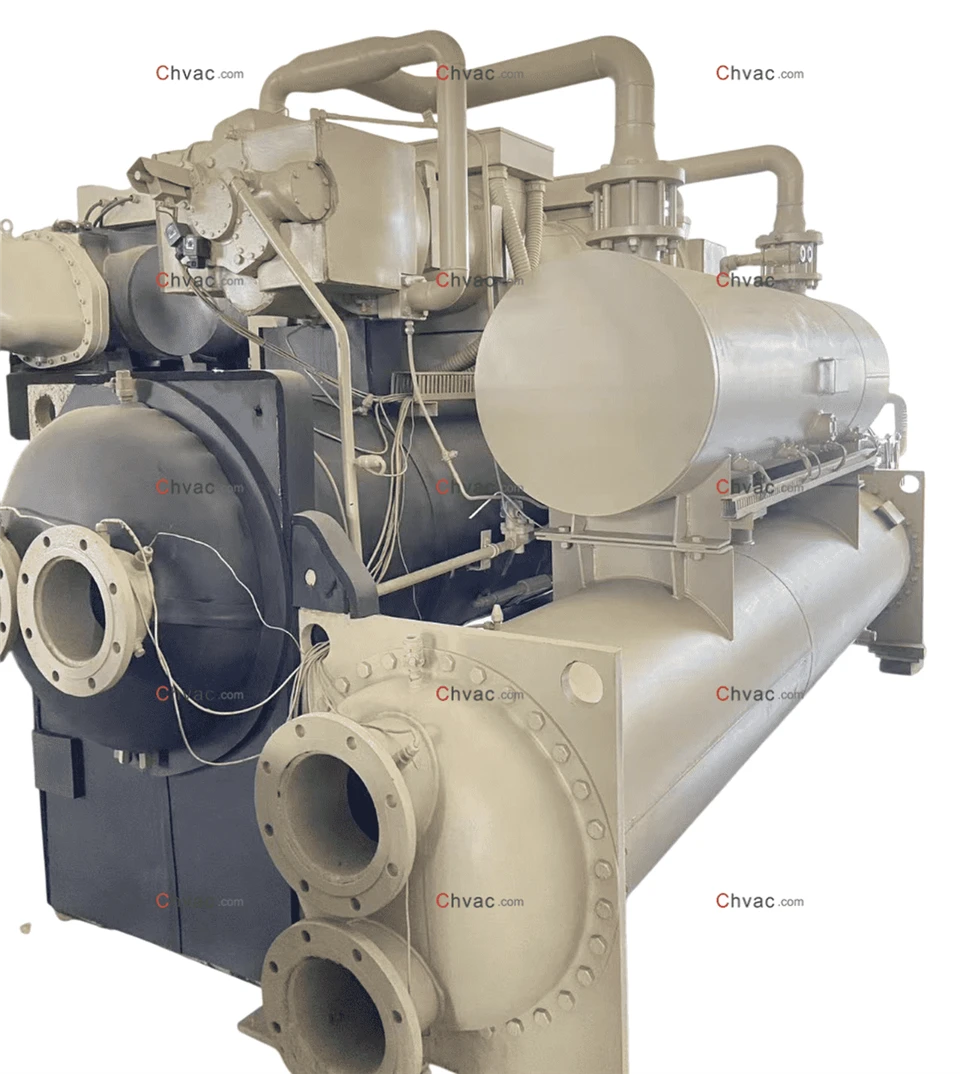
And then there's the York CentrifugalYKGCEVP85CPG/RW22 Water Cooled Chiller. York is a well - known brand in the chiller industry, and this model is no exception. It offers robust construction and high - tech controls for optimal operation.
Troubleshooting
Sometimes, things can go wrong. If your chiller is not cooling properly, check the refrigerant levels again. A leak could be the culprit. You may also need to inspect the compressor for any mechanical issues.
If you're getting abnormal pressure readings, it could be due to a blocked filter or a problem with the expansion valve. Check these components and replace or clean them if necessary.
Noisy operation can be a sign of loose parts or worn - out bearings. Turn off the chiller and inspect the moving components for any damage.
Maintenance
Regular maintenance is key to keeping your chiller in good shape. Schedule annual or semi - annual maintenance checks with a qualified technician. They can do a thorough inspection of the chiller, clean the components, and perform any necessary repairs.
Change the filters regularly. Dirty filters can restrict air and water flow, reducing the chiller's efficiency.
Lubricate the moving parts as recommended by the manufacturer. This helps prevent friction and extends the life of the components.
Ending Notes
Well, that's a wrap on how to operate a chiller. I hope this guide has been helpful to you. If you're in the market for a chiller, we've got a great selection to choose from. Each of our chillers is built to last and offer excellent performance.
If you're interested in purchasing a chiller or have any questions about operation and maintenance, don't hesitate to reach out. We're here to help you find the perfect chiller for your needs and ensure that you can operate it smoothly.
References
- Chiller Operation Manuals from various manufacturers
- HVAC Industry Best Practices Guides