How to select the right refrigerant for a discount chiller?
Leave a message

Hey there! As a discount chiller supplier, one of the most common questions I get is, "How do I select the right refrigerant for a discount chiller?" It's a crucial question because the refrigerant you choose can significantly impact the performance, efficiency, and environmental footprint of your chiller. So, let's dive right in and break it down.
Understanding Refrigerants
First things first, what exactly is a refrigerant? Well, a refrigerant is a substance used in refrigeration systems to transfer heat. It works by undergoing phase changes (from liquid to gas and back to liquid) as it absorbs and releases heat. There are several types of refrigerants out there, each with its own set of properties and characteristics.
The most common types of refrigerants used in chillers include hydrofluorocarbons (HFCs), hydrochlorofluorocarbons (HCFCs), and natural refrigerants like ammonia, carbon dioxide, and hydrocarbons. HFCs have been widely used in the past because they are non - flammable and have good refrigeration properties. However, they have a high global warming potential (GWP), which is a major concern for the environment.
HCFCs were also popular, but they contain chlorine, which can damage the ozone layer. As a result, their production and use are being phased out under the Montreal Protocol. Natural refrigerants, on the other hand, have a much lower GWP and are more environmentally friendly. But they often come with their own challenges, such as flammability or toxicity.
Factors to Consider When Selecting a Refrigerant
When choosing a refrigerant for your discount chiller, there are several factors you need to take into account.
1. Performance and Efficiency
The refrigerant you choose should be able to provide the desired cooling capacity for your chiller. This means it needs to have the right thermodynamic properties to absorb and release heat efficiently. For example, a refrigerant with a high latent heat of vaporization can absorb more heat during the evaporation process, which leads to better cooling performance.
You also need to consider the coefficient of performance (COP) of the refrigerant. The COP is a measure of the efficiency of the refrigeration system, and a higher COP means better energy efficiency. A refrigerant that can operate at a lower condensing temperature and a higher evaporating temperature will generally have a higher COP.
2. Environmental Impact
As mentioned earlier, the environmental impact of the refrigerant is a major concern. You want to choose a refrigerant with a low GWP and no ozone - depleting potential (ODP). Natural refrigerants like ammonia and carbon dioxide are excellent choices in this regard because they have very low GWPs and zero ODP.
In addition, many countries and regions are implementing regulations to limit the use of high - GWP refrigerants. So, choosing an environmentally friendly refrigerant can help you stay compliant with these regulations and avoid potential fines in the future.
3. Safety
Safety is another crucial factor. Some refrigerants are flammable, toxic, or both. For example, ammonia is toxic and flammable, which means it requires special handling and safety precautions. On the other hand, HFCs are generally non - flammable and non - toxic, but they still need to be handled properly to prevent leaks.
You need to consider the installation location of your chiller and the potential risks associated with the refrigerant. If the chiller is installed in a confined space or a high - traffic area, you may want to choose a non - flammable and non - toxic refrigerant.
4. Compatibility
The refrigerant must be compatible with the materials used in the chiller system, including the compressor, condenser, evaporator, and piping. Incompatible refrigerants can cause corrosion, leaks, and other damage to the system. For example, some refrigerants may react with certain types of lubricants used in the compressor, which can lead to reduced performance and premature failure.
5. Cost
Cost is always a consideration when purchasing a discount chiller. The cost of the refrigerant itself, as well as the cost of installation, maintenance, and replacement, should be taken into account. Some refrigerants may be more expensive upfront, but they may offer better long - term savings in terms of energy efficiency and reduced maintenance costs.
Some Common Refrigerant Options for Discount Chillers
Now that we've covered the factors to consider, let's take a look at some common refrigerant options for discount chillers.
HFC - 134a
HFC - 134a is a widely used refrigerant in small to medium - sized chillers. It has good performance and is relatively safe to handle. However, it has a relatively high GWP, so it may not be the most environmentally friendly option in the long run.
R - 410A
R - 410A is another popular refrigerant for chillers. It has a higher cooling capacity and energy efficiency compared to some other refrigerants. However, it also has a relatively high GWP.
Ammonia (R - 717)
Ammonia is a natural refrigerant with a very low GWP and zero ODP. It has excellent thermodynamic properties and is very energy - efficient. However, as mentioned earlier, it is toxic and flammable, so it requires special safety measures.
Carbon Dioxide (R - 744)
Carbon dioxide is another natural refrigerant with a very low GWP. It is non - flammable and non - toxic, but it operates at high pressures, which can require special equipment and design considerations.
Product Recommendations
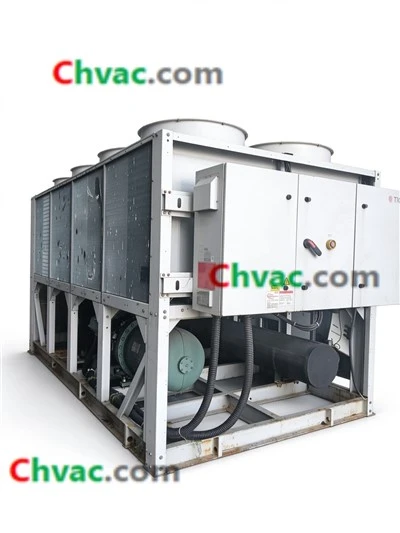
If you're in the market for a discount chiller, I'd like to recommend a few of our products. The York Centrifugal YKCQCQQ55CKG/XF22 Water Cooled Chiller is a great option. It's a high - performance chiller that can be used with a variety of refrigerants, depending on your needs.
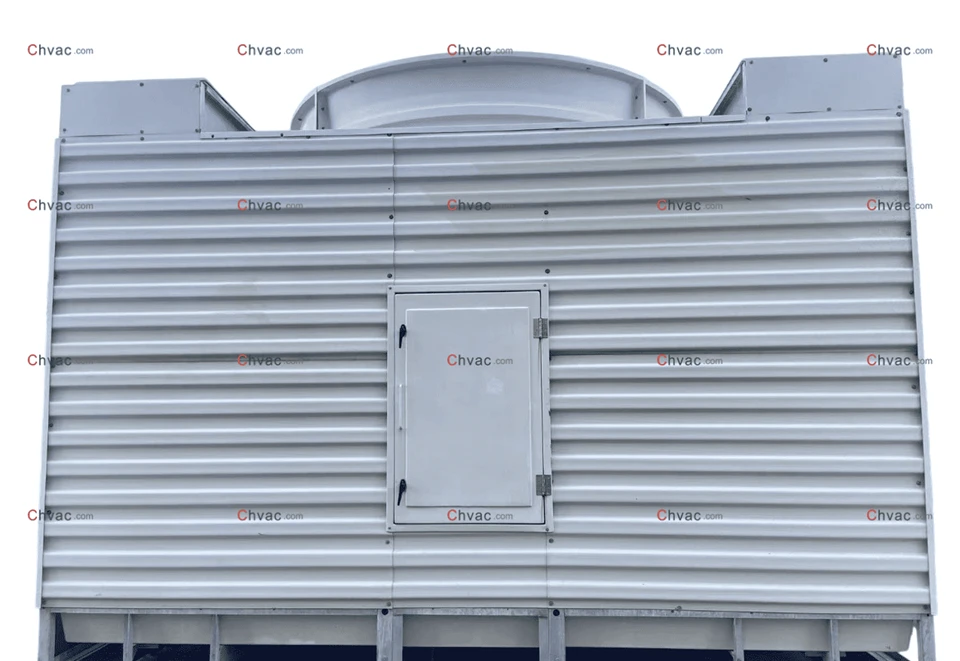
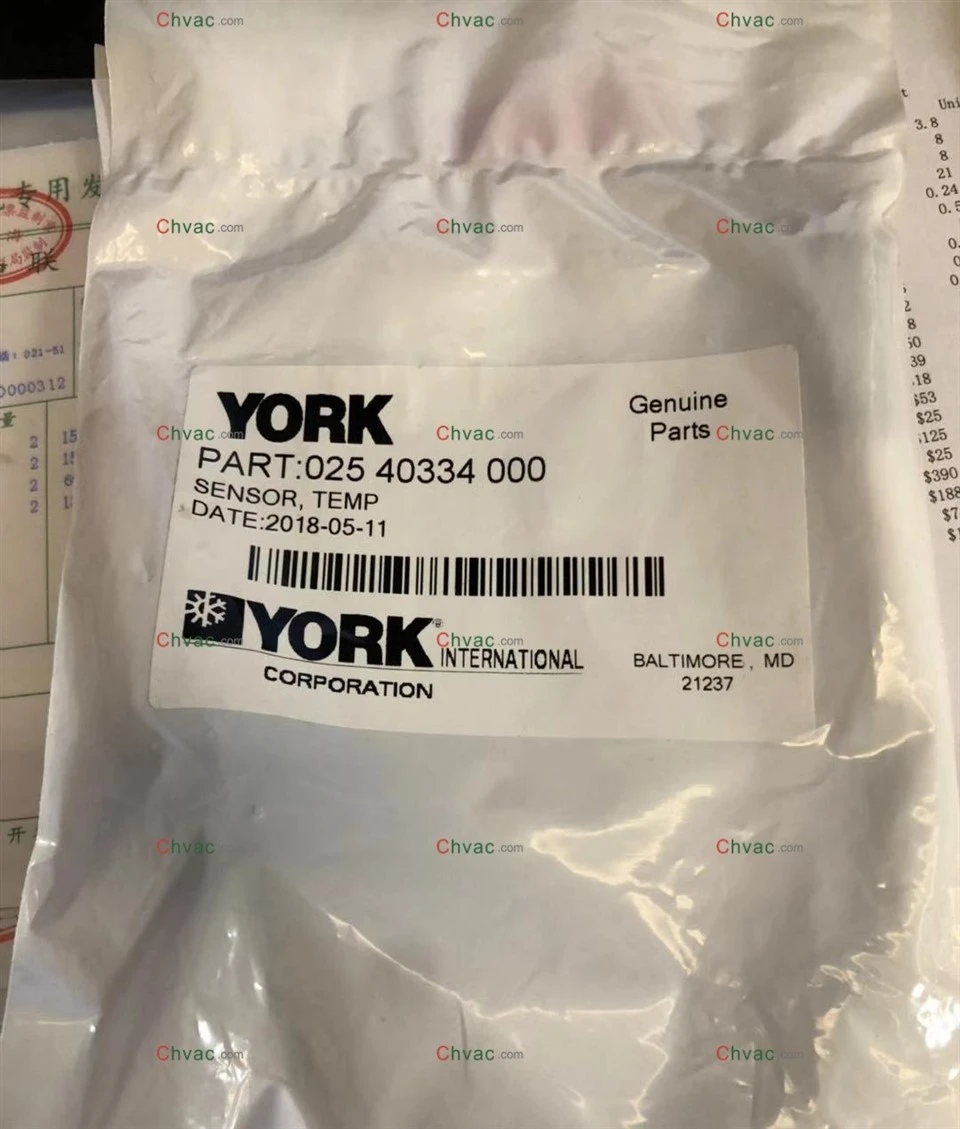
We also have the Cooling Tower NX1025PAN1FPK in stock, which is an essential part of many chiller systems. And for those who need replacement parts, we offer the Temperature Sensor for York 025 - 47671 - 000.
Wrapping Up and Contact for Purchase
Selecting the right refrigerant for a discount chiller is a complex decision that requires careful consideration of performance, efficiency, environmental impact, safety, compatibility, and cost. There is no one - size - fits - all solution, and the best refrigerant for your chiller will depend on your specific needs and circumstances.
If you're still unsure which refrigerant is right for you or if you're interested in purchasing a discount chiller or related products from us, don't hesitate to reach out for a detailed consultation. We're here to help you make the best decision for your cooling needs.
References
- "ASHRAE Handbook - Refrigeration", American Society of Heating, Refrigerating and Air - Conditioning Engineers (ASHRAE).
- "The Montreal Protocol on Substances that Deplete the Ozone Layer", United Nations Environment Programme.