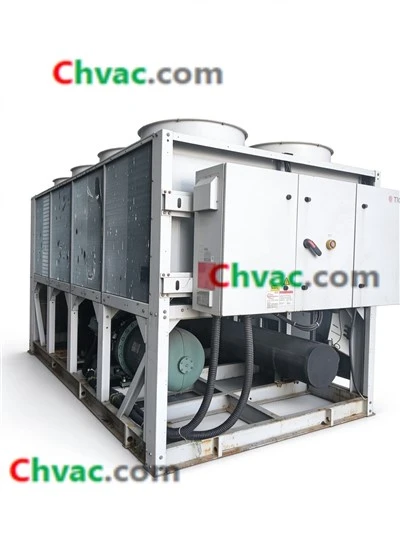
How to shut down Trane Screw Chiller properly?
Leave a message

Hey there! As a supplier of Trane Screw Chillers, I've had my fair share of experiences with these awesome machines. One question that comes up a lot is how to shut down a Trane Screw Chiller properly. It might seem like a simple task, but there are some important steps to follow to make sure everything goes smoothly and your chiller stays in good shape for a long time.
First off, why is it so important to shut down the chiller properly? Well, if you don't do it right, you could end up causing damage to the chiller components. This can lead to costly repairs and downtime, which is definitely not what you want. A proper shutdown also helps to maintain the efficiency of the chiller and can even extend its lifespan.
Step 1: Check the Operating Conditions
Before you start the shutdown process, you need to check the current operating conditions of the chiller. Make sure that the load on the chiller is as low as possible. This means reducing the cooling demand in the system. You can do this by adjusting the temperature settings of the spaces being cooled or by shutting down non - essential equipment that relies on the chiller for cooling.
For example, if your chiller is cooling a large office building, you might want to turn off some of the extra lights or equipment in unoccupied areas. This will reduce the heat load on the chiller and make it easier to shut down safely.
Step 2: Stop the Compressor
Once the load is reduced, it's time to stop the compressor. On a Trane Screw Chiller, you can usually do this through the control panel. Look for the compressor stop button or option. When you press it, the compressor will gradually slow down and stop.
It's important to let the compressor stop naturally. Don't try to force it to stop by cutting the power abruptly. This can cause damage to the compressor motor and other components. Also, pay attention to any warning lights or alarms on the control panel during this process. If you see any issues, it's best to consult the chiller manual or contact a professional technician.
Step 3: Stop the Refrigerant Flow
After the compressor has stopped, you need to stop the flow of refrigerant in the system. This is usually done by closing the refrigerant valves. On a Trane Screw Chiller, there are specific valves for the refrigerant lines. Make sure you know which ones to close and do it carefully.


Closing the refrigerant valves prevents the refrigerant from circulating in the system when it's not needed. This helps to protect the compressor and other components from potential damage due to refrigerant flow issues.
Step 4: Stop the Water Pumps
Next, you need to stop the water pumps. There are usually two types of water pumps in a chiller system: the chilled water pump and the condenser water pump.
The chilled water pump circulates the cold water from the chiller to the areas that need cooling. The condenser water pump circulates water through the condenser to remove heat from the refrigerant.
To stop the water pumps, find the pump control switches on the control panel or at the pump motors themselves. Turn them off one by one. It's a good idea to let the pumps run for a few minutes after the compressor has stopped to allow the water to continue to remove any remaining heat from the system.
Step 5: Drain the System (Optional but Recommended)
In some cases, especially if the chiller is going to be shut down for an extended period, it's a good idea to drain the water from the system. This helps to prevent freezing in cold weather, which can cause damage to the pipes and other components.
To drain the system, locate the drain valves on the chilled water and condenser water lines. Open these valves and let the water drain out completely. Make sure you have a proper drainage area to collect the water.
Step 6: Perform a System Check
Once you've completed all the shutdown steps, it's a good idea to perform a quick system check. Look for any signs of leaks, unusual noises, or other issues. Check the control panel to make sure all the indicators show that the chiller is in a safe shutdown state.
If you notice any problems during the system check, it's important to address them right away. This could involve tightening a loose connection, replacing a faulty valve, or contacting a technician for further inspection.
Additional Tips for Long - Term Shutdown
If you're shutting down the chiller for a long time, there are a few extra things you can do. First, cover the chiller with a protective cover to keep dust and debris out. This will help to keep the chiller clean and prevent damage to the external components.
Second, consider performing some maintenance tasks before the long - term shutdown. This could include changing the filters, lubricating moving parts, and checking the electrical connections. These maintenance tasks will help to ensure that the chiller is in good condition when you start it up again.
Our Trane Chiller Offerings
We have a great selection of Trane chillers in stock. For example, we have the Trane RTHDB1B1B1 Water Cooled Chiller InStock. This chiller is known for its high efficiency and reliability. It's a great choice for medium - to large - scale commercial applications.
Another option is the Trane CVHG780 Centrifugal Water Cooled Chiller. This chiller offers excellent performance and is suitable for a wide range of cooling needs.
We also have the Trane RTAC Chiller, which is a popular choice for many industrial and commercial settings.
If you're interested in purchasing a Trane chiller or have any questions about the shutdown process or maintenance, don't hesitate to reach out. We're here to help you make the best decision for your cooling needs.
Conclusion
Shutting down a Trane Screw Chiller properly is an important task that requires careful attention to detail. By following the steps outlined above, you can ensure that your chiller is shut down safely and that it remains in good condition for future use.
If you have any further questions or need more information about Trane chillers, feel free to contact us. We're always happy to assist you with your cooling needs and help you get the most out of your chiller system.
References
- Trane Chiller Operation and Maintenance Manual
- HVAC Industry Best Practices Guides