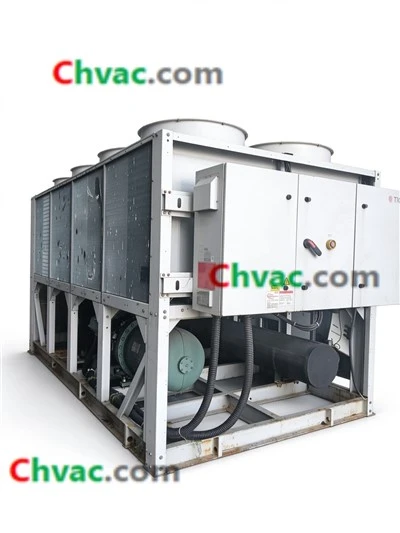
How to upgrade the control system of China chiller?
Leave a message

In the current industrial and commercial landscape, China chillers have established themselves as a cornerstone for various cooling needs. Whether it's for large - scale data centers, commercial buildings, or industrial manufacturing processes, the reliable operation of chillers is of utmost importance. As a China chiller supplier, I am well - aware of the significance of control system upgrades in enhancing the overall performance, energy efficiency, and reliability of these crucial machines. In this blog, I will share some key insights on how to upgrade the control system of China chillers.
Understanding the Current Control System
Before embarking on an upgrade, it is essential to have a comprehensive understanding of the existing control system. This involves identifying the type of control technology in use, such as pneumatic, electronic, or a combination of both. Additionally, assess the system's age, functionality, and limitations. Outdated control systems may lack features like real - time monitoring, remote access, and advanced algorithms for energy optimization.
A common issue with older control systems is the lack of integration capabilities. For instance, they may not be able to communicate seamlessly with other building management systems (BMS). This lack of integration can lead to inefficiencies, as the chiller may not be operating in harmony with other components of the HVAC system.
Benefits of Upgrading the Control System
Upgrading the control system of a China chiller brings numerous benefits. Firstly, it significantly improves energy efficiency. Modern control systems are equipped with advanced algorithms that can adjust the chiller's operation based on real - time conditions, such as ambient temperature, load demand, and equipment performance. This results in reduced energy consumption, which translates to lower operating costs and a smaller carbon footprint.
Secondly, enhanced reliability is another major advantage. New control systems offer better diagnostic capabilities, which allow for the early detection of potential issues. Predictive maintenance can be carried out based on the data collected by the control system, reducing the risk of unexpected breakdowns and minimizing downtime.
Moreover, improved control accuracy means that the chiller can maintain a more stable temperature and humidity level. This is particularly important in applications where precise environmental control is required, such as in pharmaceutical manufacturing or food storage facilities.
Steps to Upgrade the Control System
Step 1: Define Project Goals
The first step in upgrading the control system is to clearly define the project goals. Are you primarily aiming to improve energy efficiency, enhance reliability, or achieve better control accuracy? Maybe you want to integrate the chiller with the existing BMS. Having well - defined goals will help in selecting the most appropriate control system and guide the entire upgrade process.
Step 2: Select the Right Control System
There are several factors to consider when selecting a new control system. Compatibility with the existing chiller hardware is crucial. The new system should be able to interface smoothly with the chiller's sensors, actuators, and other components.
Look for control systems that offer advanced features such as variable speed drive (VSD) control, which can adjust the compressor speed based on the load demand. This not only improves energy efficiency but also extends the lifespan of the compressor.
Some of the well - known control systems in the market offer seamless integration with different chiller models. For example, the Trane RTHB215 Water Cooled Chiller Trane RTHB215 Water Cooled Chiller can be paired with a state - of - the - art control system that enables precise control and energy optimization.
Step 3: Plan the Installation
Once the control system is selected, a detailed installation plan needs to be developed. This includes determining the installation schedule, allocating resources, and ensuring that all necessary permits and approvals are obtained.
The installation process should be carefully coordinated to minimize disruption to the normal operation of the facility. It may be necessary to shut down the chiller temporarily, so proper arrangements should be made to provide alternative cooling sources if needed.
Step 4: Train the Operators
After the new control system is installed, it is essential to provide training to the operators. The operators should be familiar with the new system's interface, functions, and error messages. Training can be provided through on - site sessions, online tutorials, or a combination of both.
Well - trained operators can ensure the proper operation of the chiller and take appropriate actions in case of any issues. They can also make the most of the advanced features of the new control system, such as energy - saving modes and remote monitoring.
Step 5: Commissioning and Testing
Once the installation and training are complete, the chiller needs to be commissioned and tested. This involves checking the functionality of all the components of the control system, verifying the accuracy of the sensors and actuators, and conducting performance tests.
The chiller should be tested under different load conditions to ensure that it is operating as expected. Any issues identified during the testing phase should be addressed immediately to ensure the long - term reliability of the system.


Case Studies
Let's take a look at some real - world examples of successful control system upgrades for China chillers.
In a large commercial building, the existing chiller control system was outdated and inefficient. The management decided to upgrade to a new control system with advanced energy - optimization features. After the upgrade, the chiller's energy consumption was reduced by 20% while maintaining the same level of cooling performance. The new system also provided real - time monitoring and diagnostic capabilities, which allowed for proactive maintenance and reduced downtime.
In an industrial manufacturing plant, a York RWKl40E - CUABY155CGS Chiller York RWKl40E - CUABY155CGS Chiller was experiencing frequent breakdowns due to the old control system. By upgrading to a modern control system, the chiller's reliability was significantly improved. The new system could detect potential issues in advance and send alerts to the maintenance team, preventing major breakdowns and saving costly repair expenses.
Challenges in Control System Upgrades
While upgrading the control system of China chillers offers many benefits, there are also some challenges that need to be addressed. One of the main challenges is the cost of the upgrade. New control systems can be expensive, and there may also be additional costs associated with installation, training, and commissioning. However, it is important to consider the long - term savings in energy costs and reduced maintenance expenses.
Another challenge is the compatibility issue with the existing chiller hardware. In some cases, it may be necessary to replace some of the older components to ensure seamless integration with the new control system. This can add to the overall cost and complexity of the upgrade project.
Conclusion
Upgrading the control system of China chillers is a strategic investment that can bring significant benefits in terms of energy efficiency, reliability, and control accuracy. As a China chiller supplier, I encourage businesses to consider upgrading their chiller control systems to stay competitive in the market and meet the increasing demand for sustainable and efficient cooling solutions.
If you are interested in upgrading the control system of your China chiller or have any questions about our chiller products, we welcome you to contact us for a detailed discussion. Our team of experts is ready to provide you with professional advice and customized solutions to meet your specific needs.
References
- [1] ASHRAE Handbook - HVAC Systems and Equipment.
- [2] Chiller Manufacturer's Technical Documentation.
- [3] Industry Reports on HVAC Control System Advancements.