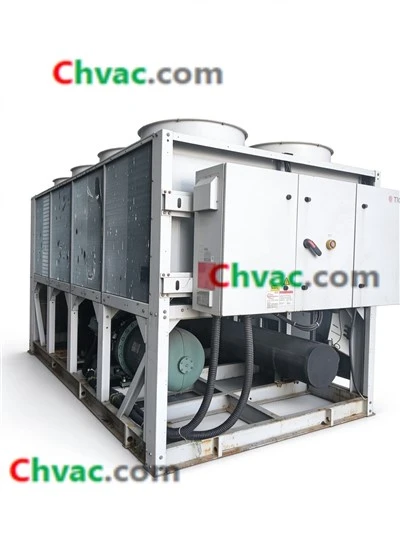
What are the common problems with carrier chillers?
Leave a message

Yo, what's up! I'm a supplier of Carrier chillers, and I've seen my fair share of problems that these bad boys can run into. In this blog, I'll spill the beans on the common issues you might face with Carrier chillers, so you're well-prepared and can keep these machines running smoothly.


Refrigerant Leaks
One of the most frequent problems with Carrier chillers is refrigerant leaks. Refrigerant is like the lifeblood of a chiller. It absorbs heat from the area to be cooled and releases it outside. When there's a leak, the chiller can't maintain the right temperature, and its efficiency takes a nosedive.
There are a few reasons why these leaks happen. First off, wear and tear on the refrigerant lines over time can cause small holes or cracks. Vibration from the chiller's operation can also loosen connections, leading to leaks. And let's not forget about corrosion. If the chiller is in a humid or corrosive environment, the metal parts can start to break down, and that's a recipe for refrigerant leaks.
Detecting a refrigerant leak can be tricky. You might notice that the chiller isn't cooling as effectively as it used to. There could also be a hissing sound coming from the refrigerant lines, which is a dead giveaway. Or, if you see ice forming on the evaporator coils, that could be a sign of low refrigerant levels due to a leak.
If you suspect a leak, it's crucial to get it fixed ASAP. Not only does it affect the chiller's performance, but refrigerant leaks can also be harmful to the environment. You'll need a professional technician to find the source of the leak and repair it. Once the leak is fixed, they'll recharge the chiller with the right amount of refrigerant.
Electrical Problems
Electrical issues are another headache when it comes to Carrier chillers. The chiller has a complex electrical system that controls everything from the compressor to the fans. And just like any electrical system, it can run into problems.
One common electrical problem is a malfunctioning motor starter. The motor starter is responsible for starting and stopping the chiller's motors. If it fails, the motor won't start, and the chiller won't work. This can be caused by a variety of factors, such as overheating, electrical surges, or simply wear and tear.
Another issue is faulty wiring. Over time, the wires in the chiller can become frayed or damaged, which can lead to short circuits or electrical fires. This is a serious safety hazard, so it's important to have the wiring inspected regularly.
Tripped circuit breakers are also a common occurrence. This can happen if the chiller is drawing too much power or if there's a short circuit in the system. When a circuit breaker trips, it cuts off the power to the chiller to prevent damage. To fix this, you'll need to find the cause of the overload and reset the circuit breaker.
To avoid electrical problems, it's important to have the chiller's electrical system maintained regularly by a qualified electrician. They can check the wiring, test the motor starters, and make sure everything is in good working order.
Compressor Issues
The compressor is the heart of a Carrier chiller, and when it goes wrong, it can really mess things up. Compressor problems can be caused by a number of factors, such as poor lubrication, overheating, or a damaged valve.
Poor lubrication is a major culprit. The compressor needs to be properly lubricated to reduce friction and prevent wear and tear. If the lubrication system fails or the oil level is too low, the compressor can overheat and damage itself. This can lead to a complete compressor failure, which is extremely expensive to repair.
Overheating is another common problem. The compressor generates a lot of heat during operation, and it needs to be cooled properly. If the cooling system fails or the chiller is operating in a hot environment, the compressor can overheat. This can cause the compressor to shut down automatically to prevent damage.
A damaged valve can also cause problems. The valves in the compressor control the flow of refrigerant, and if they're not working properly, the chiller won't be able to cool effectively. This can lead to reduced efficiency and higher energy costs.
If you suspect a compressor problem, it's important to have it checked by a professional technician. They can diagnose the issue and determine whether the compressor needs to be repaired or replaced.
Water Flow Problems
For water-cooled Carrier chillers, water flow problems are a common issue. The chiller needs a steady flow of water to remove heat from the refrigerant. If there's a problem with the water flow, the chiller won't be able to operate efficiently.
One common problem is a clogged water filter. The water filter is designed to remove dirt and debris from the water before it enters the chiller. Over time, the filter can become clogged, which restricts the water flow. This can cause the chiller to overheat and reduce its efficiency.
Another issue is a malfunctioning water pump. The water pump is responsible for circulating the water through the chiller. If the pump fails, the water won't flow properly, and the chiller won't be able to cool effectively. This can be caused by a variety of factors, such as a broken impeller or a faulty motor.
Leaking pipes can also cause water flow problems. If there's a leak in the water pipes, the water pressure can drop, and the chiller won't be able to get enough water. This can lead to overheating and reduced efficiency.
To prevent water flow problems, it's important to have the water filter replaced regularly and the water pump inspected. If you notice any leaks in the pipes, you should have them repaired immediately.
Control System Malfunctions
The control system of a Carrier chiller is what allows you to set the temperature, monitor the performance, and make adjustments as needed. But like any complex system, it can run into problems.
One common issue is a faulty sensor. The sensors in the chiller are responsible for measuring things like temperature, pressure, and flow rate. If a sensor fails, it can send incorrect information to the control system, which can cause the chiller to operate incorrectly. For example, if the temperature sensor fails, the chiller might not cool the area to the desired temperature.
Another problem is a software glitch. The control system of the chiller runs on software, and like any software, it can have bugs. A software glitch can cause the control system to malfunction, leading to issues such as incorrect temperature settings or erratic operation.
To fix control system malfunctions, you'll need to have a technician diagnose the problem. They can test the sensors, check the software, and make any necessary repairs or updates.
Conclusion
So, there you have it, the common problems with Carrier chillers. While these issues can be a pain, the good news is that most of them can be prevented with regular maintenance. By having your chiller serviced on a regular basis, you can catch any potential problems early and avoid costly repairs.
If you're in the market for a Carrier chiller, we've got some great options available. Check out our 1100 TR Carrier Centrifugal Chiller, 400 TR Carrier 30XW1402S Water Cooled Chiller, and 430 TR Carrier 30XW1502 Water Cooled Chiller.
If you have any questions or you're interested in purchasing a Carrier chiller, don't hesitate to reach out. We're here to help you make the right choice and keep your chiller running smoothly for years to come.
References
- Carrier Chiller Operation Manuals
- HVAC Industry Journals
- Personal Experience as a Carrier Chiller Supplier