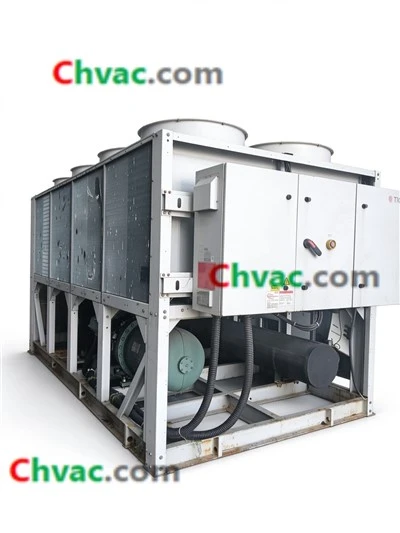
What are the communication protocols supported by chillers to buy?
Leave a message

When it comes to purchasing chillers, understanding the communication protocols they support is crucial. As a chiller supplier, I've encountered numerous customers who are often unsure about which protocols are essential for their specific needs. In this blog, I'll delve into the various communication protocols supported by chillers and explain why they matter.
Importance of Communication Protocols in Chillers
Communication protocols serve as the language that allows different components of a chiller system to interact with each other and with external control systems. They enable seamless data exchange, remote monitoring, and control, which are essential for efficient operation, energy management, and troubleshooting. By choosing a chiller with the right communication protocols, you can integrate it into your existing building management system (BMS) or industrial control network, ensuring optimal performance and compatibility.
Common Communication Protocols Supported by Chillers
Modbus
Modbus is one of the most widely used communication protocols in the industrial and building automation sectors. It is an open, serial communication protocol that allows devices to communicate over a network, such as Ethernet or RS-485. Modbus is known for its simplicity, reliability, and ease of implementation, making it a popular choice for chiller manufacturers. With Modbus, you can easily connect your chiller to a BMS or other control devices, allowing you to monitor and control various parameters, such as temperature, pressure, and flow rate.
BACnet
BACnet (Building Automation and Control network) is a standard communication protocol specifically designed for building automation systems. It provides a common language for different building systems, including chillers, HVAC systems, lighting controls, and security systems, to communicate with each other. BACnet supports multiple network types, such as Ethernet, LonWorks, and RS-485, and offers a wide range of services for device discovery, data sharing, and control. By using BACnet, you can create a unified and interoperable building automation system, improving energy efficiency and operational effectiveness.
LonWorks
LonWorks (Local Operating Network) is another popular communication protocol used in building automation and industrial control applications. It is a distributed control network that allows devices to communicate with each other using a peer-to-peer architecture. LonWorks uses a unique networking technology called Neuron chips, which are embedded in devices to provide intelligent communication capabilities. LonWorks is known for its flexibility, scalability, and reliability, making it suitable for large-scale chiller systems and complex building automation networks.
Profibus
Profibus (Process Field Bus) is a widely used industrial communication protocol that is commonly used in manufacturing and process automation applications. It is a serial communication protocol that allows devices to communicate over a network, such as RS-485 or fiber optic. Profibus is known for its high-speed data transfer, real-time performance, and robustness, making it suitable for demanding industrial environments. In the context of chillers, Profibus can be used to connect the chiller to other industrial control devices, such as programmable logic controllers (PLCs) and human-machine interfaces (HMIs), for monitoring and control.
Ethernet/IP
Ethernet/IP (Industrial Protocol) is a communication protocol based on the Ethernet network technology. It is an open, industrial Ethernet protocol that allows devices to communicate over a standard Ethernet network. Ethernet/IP is known for its high-speed data transfer, compatibility with existing Ethernet infrastructure, and support for a wide range of industrial applications. In the chiller industry, Ethernet/IP can be used to connect the chiller to a BMS or other control devices, allowing for seamless integration and remote monitoring.
Choosing the Right Communication Protocol for Your Chiller
When choosing a chiller, it's important to consider the communication protocols that are supported by the chiller and ensure they are compatible with your existing or planned control systems. Here are some factors to consider when making your decision:
Compatibility
Ensure that the communication protocol supported by the chiller is compatible with your existing BMS or industrial control network. If you already have a specific protocol in use, it's advisable to choose a chiller that supports the same protocol to ensure seamless integration.
Functionality
Consider the specific functionality you require from the chiller communication system. For example, if you need real-time monitoring and control, you may want to choose a protocol that offers high-speed data transfer and real-time performance, such as Profibus or Ethernet/IP.

Scalability
If you plan to expand your chiller system or building automation network in the future, choose a communication protocol that is scalable and can accommodate additional devices and functionality.
Cost
The cost of implementing a particular communication protocol can vary depending on the hardware and software requirements. Consider the cost implications of each protocol and choose the one that offers the best balance between functionality and cost.
Our Chiller Offerings and Supported Communication Protocols
As a chiller supplier, we offer a wide range of chillers that support various communication protocols to meet the diverse needs of our customers. For example, our Carrier 30HXC250B Water Cooled Chiller supports Modbus and BACnet protocols, allowing for easy integration with most building management systems. Our YORK chillers are also equipped with advanced communication capabilities, including support for Modbus and LonWorks, providing seamless connectivity and control.
In addition to the standard communication protocols, we also offer optional communication modules for some of our chillers, allowing you to add support for other protocols, such as Profibus or Ethernet/IP, if required. This flexibility ensures that you can choose the chiller that best suits your specific requirements and communication infrastructure.
Accessories and Communication Compatibility
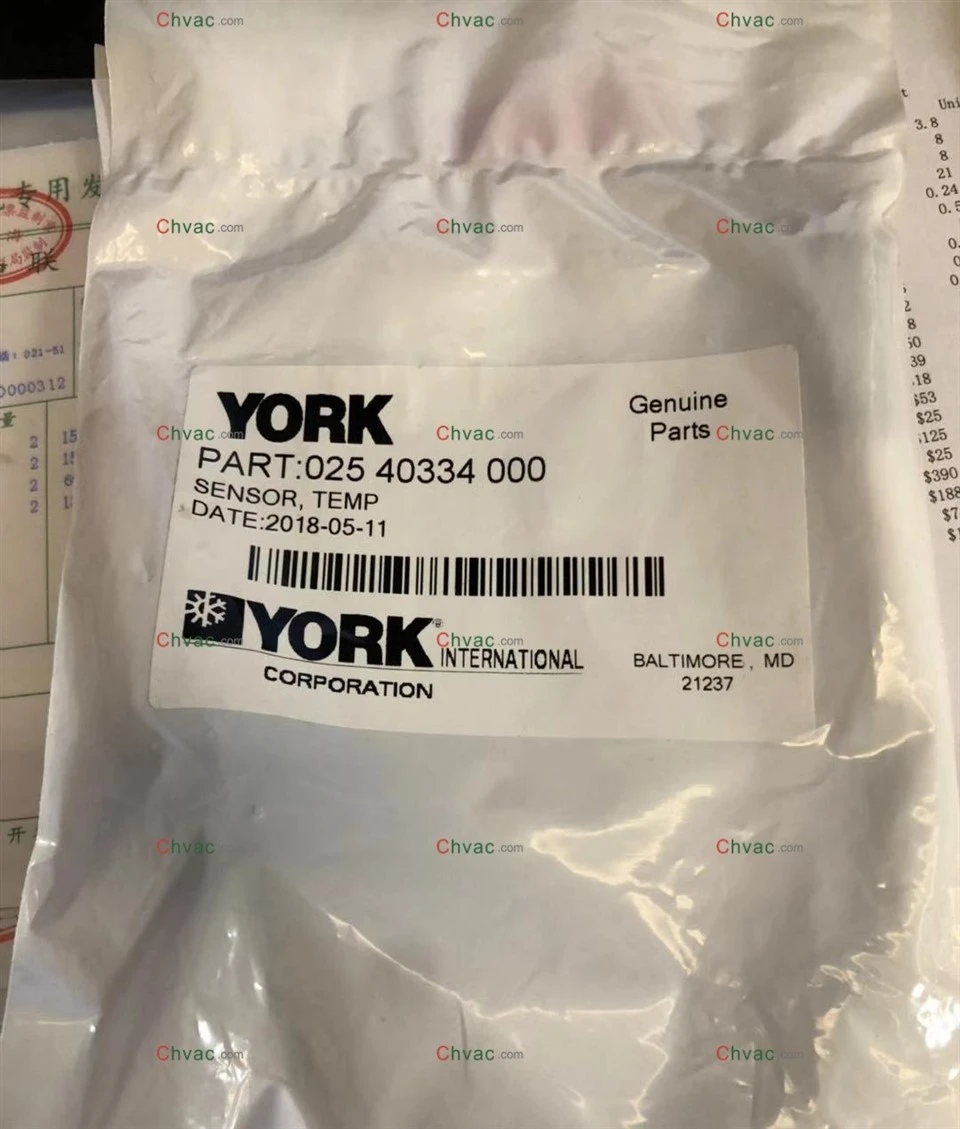
We also provide a range of accessories for our chillers, such as Temperature Sensor for York 025-47671-000 and YORK DISCHARGE PRESSURE TRANSDUCER, which are designed to work seamlessly with the chiller's communication system. These accessories are compatible with the supported communication protocols, ensuring accurate and reliable data collection and control.
Contact Us for Chiller Purchasing and Communication Protocol Consultation
If you're in the market for a new chiller and need assistance in choosing the right communication protocol, or if you have any questions about our chiller offerings, please don't hesitate to contact us. Our team of experts is available to provide you with detailed information and guidance to help you make an informed decision. We can also assist you with the installation, commissioning, and maintenance of your chiller system to ensure optimal performance and reliability.
References
- ASHRAE Handbook - HVAC Systems and Equipment. American Society of Heating, Refrigerating and Air-Conditioning Engineers.
- BACnet Standard - ANSI/ASHRAE 135. American Society of Heating, Refrigerating and Air-Conditioning Engineers.
- Modbus Protocol Specification. Schneider Electric.
- LonWorks Technology Overview. Echelon Corporation.
- Profibus User Organization. Profibus Technical Documentation.