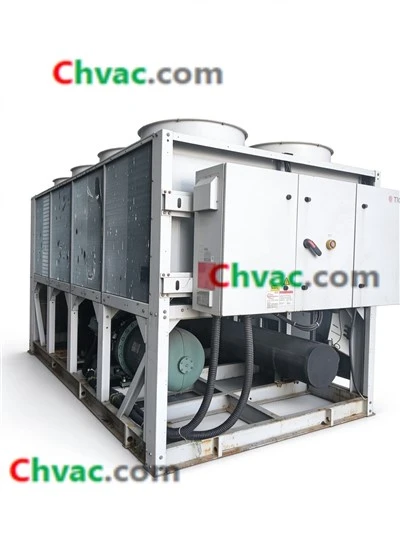
What are the electrical requirements for Trane Centrifugal Chiller?
Leave a message

Hey there! As a supplier of Trane Centrifugal Chillers, I often get asked about the electrical requirements for these bad boys. So, I thought I'd put together a blog post to break it all down for you.
First off, let's talk about why understanding the electrical requirements is so important. Trane Centrifugal Chillers are powerful machines that need the right amount of electricity to operate efficiently and safely. If you don't meet the electrical specs, you could end up with a chiller that doesn't work properly, or even worse, one that gets damaged.
Voltage and Phase
The voltage and phase requirements for Trane Centrifugal Chillers can vary depending on the model and size. Most of the chillers we supply operate on three - phase power, which is common in commercial and industrial settings. Three - phase power provides a more stable and efficient electrical supply compared to single - phase power.
Typically, the voltage range for Trane Centrifugal Chillers can be anywhere from 208V to 600V. For smaller models, you might find 208V or 230V options. But for larger, high - capacity chillers, 480V or 600V is more common. It's crucial to make sure that your electrical system can provide the correct voltage and phase for the specific chiller you're considering. If you're not sure, it's a good idea to consult with an electrician.
Power Consumption
Power consumption is another key aspect of the electrical requirements. The power consumption of a Trane Centrifugal Chiller is measured in kilowatts (kW) or tons of refrigeration (TR). One ton of refrigeration is equivalent to the amount of heat required to melt one ton of ice in 24 hours, which is approximately 3.517 kW.
For example, the 700TR Or 2462 KW CVHF570 NEW Trane Water Cooled Chiller CHVAC NEW 2025 has a significant power rating. This high - capacity chiller is designed for large - scale cooling applications, and its power consumption reflects that. When you're planning for a chiller installation, you need to consider not only the chiller's full - load power consumption but also its part - load performance.
Trane Centrifugal Chillers are known for their energy - efficient design. They use advanced technologies like variable - speed drives (VSD) to adjust the compressor speed based on the cooling demand. This means that the chiller doesn't always run at full power, which can save a lot of energy and money in the long run. At part - load conditions, the power consumption can be significantly lower than at full load.
Circuit Breakers and Fuses
Proper circuit protection is essential for the safe operation of Trane Centrifugal Chillers. Circuit breakers and fuses are used to protect the electrical system from overcurrent conditions. The size of the circuit breaker or fuse required depends on the chiller's power rating and the electrical code requirements in your area.
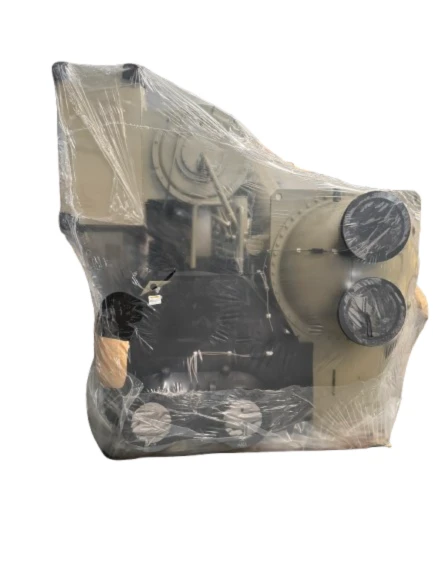

When selecting a circuit breaker or fuse, you need to make sure that it can handle the starting current of the chiller. The starting current of a centrifugal chiller can be several times higher than its normal operating current. If the circuit breaker or fuse is too small, it may trip or blow during startup, causing unnecessary downtime.
Electrical Wiring
The electrical wiring for Trane Centrifugal Chillers also needs to be sized correctly. The wire size is determined by the chiller's power rating, the distance between the chiller and the electrical panel, and the allowable voltage drop. A voltage drop of more than a few percent can cause the chiller to operate inefficiently or even malfunction.
It's important to use high - quality electrical wiring that meets the relevant electrical codes. The wiring should be properly installed and grounded to ensure the safety of the chiller and the people around it. If you're not experienced in electrical work, it's best to hire a professional electrician to handle the wiring installation.
Specific Models and Their Electrical Needs
Let's take a look at some specific Trane Centrifugal Chiller models and their electrical requirements. The Trane RTXC Chiller is a popular choice for many commercial applications. It offers a range of capacities and is designed for high - efficiency operation.
The electrical requirements for the Trane RTXC Chiller depend on its size and configuration. Generally, it operates on three - phase power with voltages ranging from 208V to 600V. The power consumption of the RTXC Chiller can vary from a few hundred kilowatts for smaller units to over a megawatt for larger models.
Another model is the Trane RTHDD1D1E1 Water Cooled Chiller. This chiller is also known for its reliability and energy efficiency. It typically requires three - phase power and has a power rating that is suitable for medium - to large - scale cooling applications.
Impact on Your Electrical System
Installing a Trane Centrifugal Chiller can have a significant impact on your electrical system. You need to make sure that your existing electrical infrastructure can handle the additional load. If not, you may need to upgrade your electrical panel, transformers, or wiring.
It's a good idea to conduct a load analysis before installing a new chiller. This will help you determine if any upgrades are needed and what the cost of those upgrades will be. Working with an experienced electrical contractor can make this process much smoother.
Conclusion
In conclusion, understanding the electrical requirements for Trane Centrifugal Chillers is crucial for a successful installation and operation. From voltage and phase to power consumption, circuit protection, and wiring, every aspect needs to be carefully considered.
If you're in the market for a Trane Centrifugal Chiller, don't hesitate to reach out. We're here to help you choose the right chiller for your needs and make sure that all the electrical requirements are met. Whether you have questions about the technical specs or need assistance with the installation, our team of experts is ready to assist. Let's start a conversation and see how we can work together to get you the perfect cooling solution.
References
- Trane product manuals and technical documentation.
- Electrical codes and standards (e.g., National Electrical Code).