What are the environmental impacts of York Screw Chiller?
Leave a message

Hey there! As a supplier of York Screw Chillers, I've been getting a lot of questions lately about the environmental impacts of these machines. So, I thought I'd take a moment to break it down and share what I've learned.
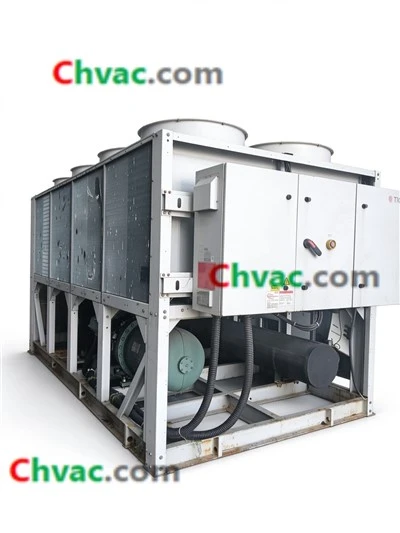
First off, let's talk about what a York Screw Chiller is. It's a type of refrigeration system that uses a screw compressor to cool water or other fluids. These chillers are commonly used in commercial and industrial settings, like office buildings, hospitals, and manufacturing plants, to provide air conditioning and process cooling.


Now, let's dive into the environmental impacts. One of the biggest concerns when it comes to chillers is the use of refrigerants. Refrigerants are the substances that absorb and release heat in the cooling process. Some older refrigerants, like chlorofluorocarbons (CFCs) and hydrochlorofluorocarbons (HCFCs), are known to be ozone-depleting substances (ODSs). When released into the atmosphere, they can damage the ozone layer, which protects us from the sun's harmful ultraviolet rays.
Thankfully, York has been at the forefront of using more environmentally friendly refrigerants. Many of their screw chillers now use hydrofluorocarbons (HFCs), which don't deplete the ozone layer. However, HFCs are still a concern because they are potent greenhouse gases. They can trap heat in the atmosphere and contribute to global warming.
But York isn't stopping there. They're constantly researching and developing new refrigerants with lower global warming potential (GWP). For example, some of their newer models use refrigerants like R-410A and R-134a, which have a much lower GWP compared to older refrigerants. And they're also exploring the use of natural refrigerants, like carbon dioxide (CO2) and ammonia (NH3), which have zero ozone depletion potential and very low GWP.
Another environmental impact of chillers is energy consumption. Chillers are big energy users, and the electricity they consume often comes from power plants that burn fossil fuels, like coal and natural gas. This releases carbon dioxide and other pollutants into the atmosphere, contributing to climate change and air pollution.
York Screw Chillers are designed to be energy-efficient. They use advanced technologies, like variable speed drives and intelligent control systems, to optimize their performance and reduce energy consumption. For example, the YorkYSABAS15CCE Chiller is equipped with a high-efficiency screw compressor and a state-of-the-art control system that adjusts the chiller's operation based on the actual cooling demand. This means it only uses as much energy as needed, which can result in significant energy savings over time.
In addition to energy efficiency, York also focuses on reducing the overall environmental impact of their chillers through proper design and manufacturing. They use high-quality materials that are durable and recyclable, and they follow strict environmental standards in their production processes. This helps to minimize waste and reduce the environmental footprint of their products.
But it's not just about the chillers themselves. Proper installation, maintenance, and operation are also crucial for minimizing the environmental impact. For example, regular maintenance can ensure that the chiller is operating at peak efficiency, which reduces energy consumption and the risk of refrigerant leaks. And proper installation can prevent issues like improper ventilation and refrigerant overcharging, which can also have a negative impact on the environment.
As a supplier, I always make sure to educate my customers about the importance of proper installation, maintenance, and operation. I also offer training and support to help them get the most out of their York Screw Chillers while minimizing their environmental impact.
Now, let's take a look at some specific models and their environmental features. The York CentrifugalYKGCEVP85CPG/RW22 Water Cooled Chiller is a great example of a high-performance, energy-efficient chiller. It uses a centrifugal compressor and a water-cooled condenser, which is more energy-efficient than an air-cooled condenser. It also has a low refrigerant charge, which reduces the potential for refrigerant leaks and their environmental impact.
Another model is the York RWK 422kw CHVAC NEW. This chiller is designed for large commercial and industrial applications. It features a high-efficiency screw compressor and a smart control system that can optimize the chiller's operation based on the load and ambient conditions. This results in significant energy savings and a reduced environmental footprint.
In conclusion, while York Screw Chillers do have some environmental impacts, especially when it comes to refrigerant use and energy consumption, York is taking steps to minimize these impacts. They're using more environmentally friendly refrigerants, designing energy-efficient machines, and focusing on proper installation, maintenance, and operation.
If you're in the market for a new chiller and are concerned about the environment, I highly recommend considering a York Screw Chiller. Not only are they reliable and efficient, but they're also designed with the environment in mind. And as a supplier, I'm here to help you choose the right chiller for your needs and provide you with the support and training you need to operate it in an environmentally friendly way.
If you're interested in learning more or discussing a potential purchase, don't hesitate to reach out. Let's start a conversation and see how we can work together to meet your cooling needs while minimizing the environmental impact.
References
- York Chiller Product Documentation
- Environmental Protection Agency (EPA) Guidelines on Refrigerants and Energy Efficiency
- Industry Reports on Energy Consumption and Environmental Impact of Commercial Chillers