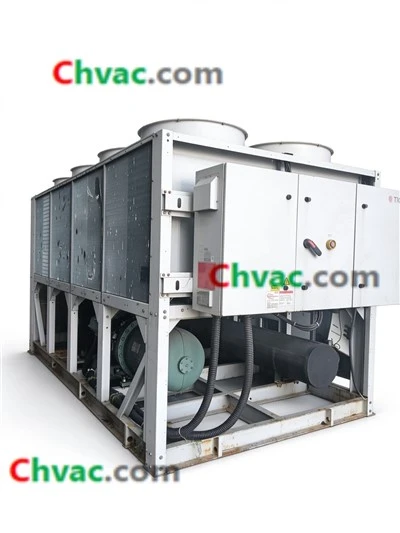
What are the market trends for chillers to buy?
Leave a message

When it comes to purchasing chillers, understanding the current market trends is crucial for making an informed decision. As a chiller supplier, I've witnessed firsthand how the industry has evolved over the years. In this blog post, I'll share some of the key market trends that you should consider when looking to buy a chiller.
Energy Efficiency
One of the most significant trends in the chiller market is the increasing demand for energy-efficient models. With rising energy costs and growing environmental concerns, businesses and consumers alike are looking for ways to reduce their energy consumption. Chillers play a vital role in many industrial and commercial applications, and improving their energy efficiency can lead to substantial cost savings over time.
Manufacturers are constantly developing new technologies to improve the energy efficiency of chillers. For example, variable speed drives (VSDs) are becoming more common, allowing chillers to adjust their speed based on the cooling load. This not only reduces energy consumption but also extends the lifespan of the equipment. Additionally, advanced control systems can optimize the operation of chillers, ensuring that they run at peak efficiency.
When shopping for a chiller, look for models with high energy efficiency ratings. The Seasonal Energy Efficiency Ratio (SEER) and the Energy Efficiency Ratio (EER) are two common metrics used to measure the energy efficiency of chillers. A higher SEER or EER rating indicates a more energy-efficient chiller.
Environmental Sustainability
In addition to energy efficiency, environmental sustainability is another important trend in the chiller market. The refrigerants used in chillers can have a significant impact on the environment, particularly if they have a high global warming potential (GWP). As a result, there is a growing demand for chillers that use environmentally friendly refrigerants.
Many manufacturers are now offering chillers that use low-GWP refrigerants, such as R-32 and R-1234ze. These refrigerants have a much lower impact on the environment compared to traditional refrigerants like R-22 and R-410A. In some regions, regulations are being introduced to phase out the use of high-GWP refrigerants, making it even more important to choose a chiller that uses environmentally friendly alternatives.
When considering a chiller, ask the supplier about the refrigerant used in the unit. Make sure it meets the environmental standards and regulations in your area. Additionally, look for chillers that are designed for easy refrigerant recovery and recycling at the end of their lifespan.
Smart Technology and Connectivity
The integration of smart technology and connectivity is transforming the chiller market. Modern chillers are now equipped with sensors and advanced control systems that allow for remote monitoring and management. This enables users to track the performance of their chillers in real-time, identify potential issues before they become major problems, and optimize the operation of the equipment.
For example, some chillers can be connected to a building management system (BMS), allowing for seamless integration with other building systems. This enables centralized control and monitoring of the chiller, as well as the ability to adjust settings based on the overall building demand. Additionally, remote access capabilities allow technicians to diagnose and troubleshoot problems without having to be physically present at the site.
When looking for a chiller, consider models that offer smart technology and connectivity features. These features can provide greater convenience, improve efficiency, and reduce maintenance costs.
Modular and Compact Designs
Another trend in the chiller market is the increasing popularity of modular and compact designs. Modular chillers offer several advantages over traditional single-unit chillers. They can be easily expanded or reduced in capacity to meet changing cooling demands, making them a more flexible option for businesses. Additionally, modular chillers are often easier to install and maintain, as they can be assembled on-site.
Compact chillers, on the other hand, are designed to take up less space. This is particularly important in applications where space is limited, such as in urban areas or in buildings with limited floor space. Compact chillers can be installed in smaller mechanical rooms or even outdoors, providing greater flexibility in terms of installation location.
When choosing a chiller, consider your specific space requirements and cooling needs. A modular or compact design may be the best option for your application.
Industry-Specific Solutions
Different industries have different cooling requirements, and the chiller market is responding by offering industry-specific solutions. For example, the data center industry requires high-performance chillers that can provide precise temperature and humidity control to protect sensitive equipment. In the food and beverage industry, chillers need to meet strict hygiene and safety standards.
As a chiller supplier, I understand the unique needs of different industries and can provide customized solutions to meet those needs. Whether you're in the healthcare, manufacturing, or hospitality industry, I can help you find the right chiller for your application.
Product Recommendations
Based on the market trends mentioned above, here are some products that I recommend:
- Trane CVHG1100 Centrifugal Water Cooled Chiller: This chiller offers high energy efficiency and advanced control features, making it a great choice for large commercial and industrial applications.
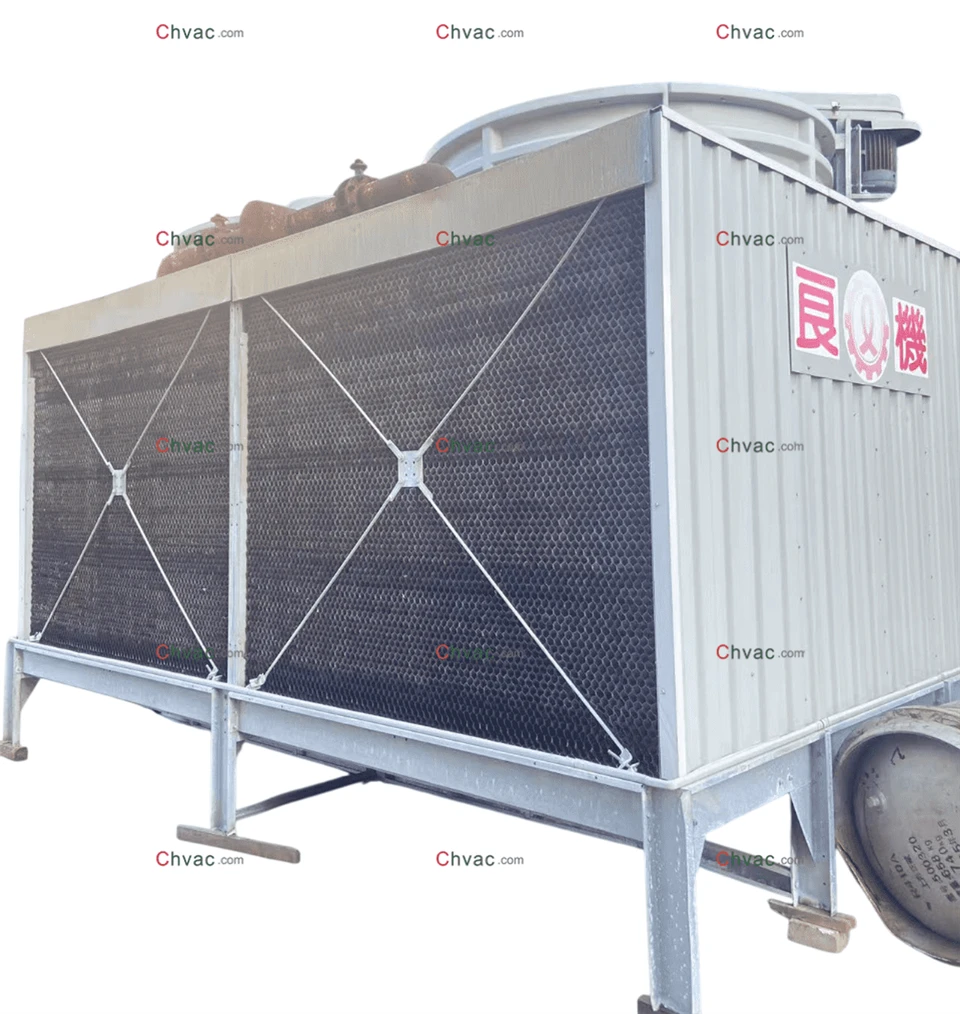
- Cooling Tower LRCM-H-150C2: This cooling tower is designed to work in conjunction with chillers to provide efficient cooling. It is compact and easy to install, making it a popular choice for many applications.
- YORK TRANSDUCER 025-28678-006 025-28678-112: This transducer is an important component of many chiller systems. It helps to monitor and control the pressure and temperature of the refrigerant, ensuring optimal performance.
Conclusion
In conclusion, the chiller market is constantly evolving, and there are several important trends to consider when looking to buy a chiller. Energy efficiency, environmental sustainability, smart technology, modular and compact designs, and industry-specific solutions are all key factors that can influence your purchasing decision.
As a chiller supplier, I'm committed to providing my customers with the latest and most innovative chiller solutions. If you're in the market for a chiller, I encourage you to contact me to discuss your specific needs. I can help you find the right chiller for your application and provide you with the support and service you need to ensure its long-term performance.

References
- ASHRAE Handbook - Refrigeration. American Society of Heating, Refrigerating and Air-Conditioning Engineers.
- International Institute of Refrigeration. "Refrigeration and the Environment."
- U.S. Department of Energy. "Energy Efficiency Standards for Commercial and Industrial Equipment."