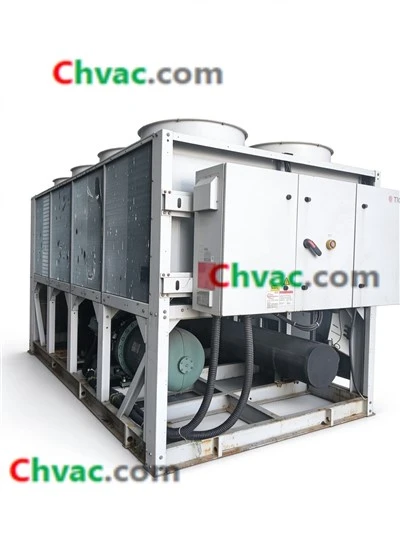
What is the capacity of a typical chiller?
Leave a message

A chiller is a crucial piece of equipment in various industries, from commercial buildings to industrial manufacturing plants. As a chiller supplier, I often get asked about the capacity of a typical chiller. Understanding chiller capacity is essential for selecting the right unit for your specific needs, ensuring efficient operation, and optimizing energy consumption. In this blog post, I'll delve into the concept of chiller capacity, factors that influence it, and how to determine the appropriate capacity for your application.
What is Chiller Capacity?
Chiller capacity refers to the amount of heat a chiller can remove from a space or process within a given time frame. It is typically measured in tons of refrigeration (TR) or kilowatts (kW). One ton of refrigeration is equivalent to the amount of heat required to melt one ton (2,000 pounds) of ice at 32°F (0°C) in 24 hours, which is approximately 12,000 British Thermal Units per hour (BTU/hr) or 3.517 kW.
The capacity of a chiller is a critical specification because it directly impacts its ability to meet the cooling demands of a particular application. If the chiller capacity is too small, it will struggle to maintain the desired temperature, leading to inefficient operation, increased energy consumption, and potential equipment damage. On the other hand, an oversized chiller will cycle on and off frequently, which can also result in energy waste and reduced equipment lifespan.
Factors Influencing Chiller Capacity
Several factors influence the capacity of a chiller, including:
1. Cooling Load
The cooling load is the amount of heat that needs to be removed from a space or process to maintain the desired temperature. It is determined by various factors, such as the size of the space, the number of occupants, the type of equipment being used, and the outdoor climate. A larger cooling load requires a chiller with a higher capacity.
2. Temperature Requirements
The temperature requirements of the application also play a significant role in determining the chiller capacity. Different processes and spaces have different temperature and humidity requirements. For example, a data center may require a chiller to maintain a temperature of around 70°F (21°C) and a relative humidity of 40-55%, while a food processing plant may need a lower temperature to preserve the quality of the products. Chillers need to be sized to meet these specific temperature and humidity requirements.
3. Chiller Type
There are several types of chillers available, including air-cooled chillers, water-cooled chillers, and absorption chillers. Each type has its own characteristics and capacity ranges. Air-cooled chillers are typically used for smaller applications and have a lower capacity compared to water-cooled chillers, which are more suitable for larger commercial and industrial applications. Absorption chillers, which use heat energy instead of mechanical energy to produce cooling, are often used in applications where waste heat is available.
4. Efficiency
The efficiency of a chiller, measured by its coefficient of performance (COP) or energy efficiency ratio (EER), also affects its capacity. A more efficient chiller can remove more heat with less energy input, which means it can achieve the same cooling effect with a lower capacity unit. When selecting a chiller, it's important to consider both the capacity and the efficiency to ensure optimal performance and energy savings.
Typical Chiller Capacity Ranges
The capacity of a typical chiller can vary widely depending on the type and application. Here are some general capacity ranges for different types of chillers:
Air-Cooled Chillers
Air-cooled chillers are commonly used in small to medium-sized commercial applications, such as offices, restaurants, and small retail stores. Their capacity typically ranges from 1 to 500 tons of refrigeration (TR), or approximately 3.5 to 1,758 kW.
Water-Cooled Chillers
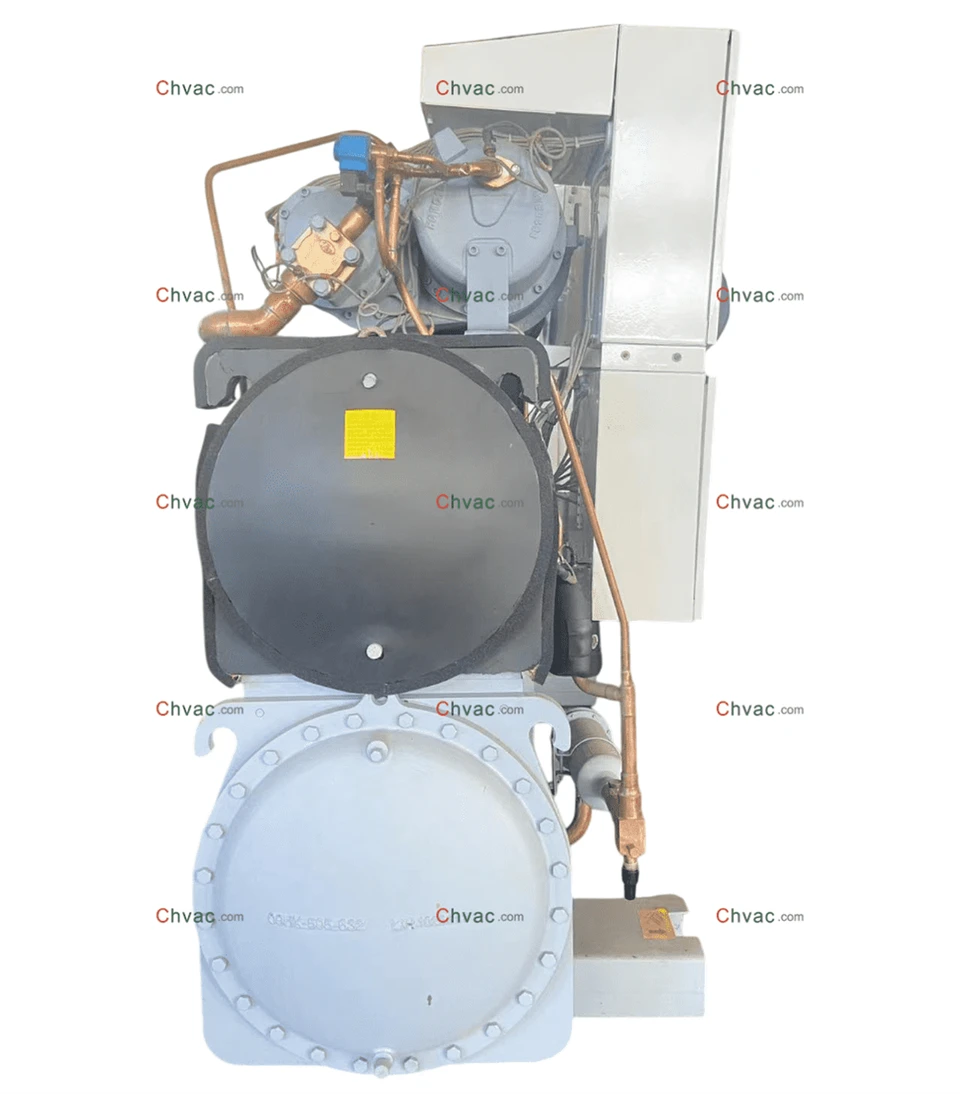
Water-cooled chillers are more efficient than air-cooled chillers and are often used in larger commercial and industrial applications, such as hospitals, hotels, and manufacturing plants. Their capacity can range from 10 to several thousand tons of refrigeration (TR), or approximately 35 to over 10,000 kW. For example, the Carrier 30HXC250B Water Cooled Chiller is a high-capacity water-cooled chiller suitable for large-scale applications.
Absorption Chillers
Absorption chillers are typically used in applications where waste heat is available, such as cogeneration plants and industrial processes. Their capacity can range from 10 to 1,000 tons of refrigeration (TR), or approximately 35 to 3,517 kW.
Determining the Appropriate Chiller Capacity
To determine the appropriate chiller capacity for your application, you need to perform a detailed cooling load calculation. This involves considering all the factors that contribute to the cooling load, such as the size of the space, the heat generated by equipment and occupants, and the outdoor climate. A professional HVAC engineer can help you perform a comprehensive cooling load calculation and select the right chiller for your needs.
Here are the general steps involved in determining the chiller capacity:
1. Calculate the Cooling Load
Use a cooling load calculation method, such as the Heat Balance Method or the Transfer Function Method, to determine the total cooling load of the space or process. This calculation should take into account all the heat sources, including solar heat gain, internal heat generation, and ventilation requirements.
2. Consider the Safety Factor
It's important to include a safety factor in your chiller capacity calculation to account for any future changes in the cooling load, such as equipment upgrades or increased occupancy. A typical safety factor ranges from 10% to 20%.
3. Select the Chiller Type
Based on the cooling load, temperature requirements, and available resources, select the appropriate chiller type (air-cooled, water-cooled, or absorption). Consider the advantages and disadvantages of each type and choose the one that best suits your application.

4. Choose the Chiller Capacity
Once you have determined the cooling load and selected the chiller type, you can choose a chiller with a capacity that meets or slightly exceeds the calculated cooling load. Make sure to consider the chiller's efficiency, reliability, and maintenance requirements when making your selection.
Importance of Regular Maintenance
Regardless of the chiller capacity, regular maintenance is essential to ensure optimal performance and longevity. This includes tasks such as cleaning the condenser and evaporator coils, checking the refrigerant levels, and inspecting the electrical components. By maintaining your chiller properly, you can prevent breakdowns, reduce energy consumption, and extend the lifespan of the equipment.
For example, a malfunctioning Temperature Sensor for York 025-47671-000 can lead to inaccurate temperature readings and inefficient operation. Regular maintenance can help identify and replace faulty sensors before they cause significant problems.
Conclusion
Understanding the capacity of a typical chiller is crucial for selecting the right unit for your application and ensuring efficient operation. By considering factors such as the cooling load, temperature requirements, chiller type, and efficiency, you can determine the appropriate chiller capacity and make an informed decision. Remember to perform a detailed cooling load calculation and consult with a professional HVAC engineer to ensure the best results.
If you're in the market for a chiller, we're here to help. As a trusted chiller supplier, we offer a wide range of high-quality chillers to meet your specific needs. Whether you need a small air-cooled chiller for a commercial office or a large water-cooled chiller for an industrial plant, we have the expertise and products to provide you with the perfect solution. Contact us today to discuss your requirements and start the procurement process.
References
- ASHRAE Handbook - Fundamentals. American Society of Heating, Refrigerating and Air-Conditioning Engineers, Inc.
- Cooling Load Calculation Manual. Air-Conditioning Contractors of America.