What is the capacity of the chiller for sale?
Leave a message

Hey there! As a supplier of chillers for sale, I often get asked about the capacity of the chillers we offer. It's a crucial question because the right chiller capacity can make or break a cooling system. So, let's dive into what the capacity of a chiller for sale actually means and how to figure out the right one for your needs.
Understanding Chiller Capacity
First off, what do we mean by chiller capacity? Simply put, it's the amount of heat a chiller can remove from a space or process in a given amount of time. It's usually measured in tons of refrigeration (TR). One ton of refrigeration is equivalent to the amount of heat needed to melt one ton of ice in 24 hours, which is approximately 12,000 British Thermal Units (BTUs) per hour.
Why is this important? Well, if you choose a chiller with too little capacity, it won't be able to cool your space or process effectively. On the other hand, if you go for a chiller with too much capacity, you'll end up wasting energy and money. So, getting the capacity right is key.

Factors Affecting Chiller Capacity
There are several factors that can affect the capacity of a chiller. Let's take a look at some of the most important ones:
1. Space Size
The size of the space you need to cool is a major factor. Larger spaces require more cooling power, so you'll need a chiller with a higher capacity. For example, a small office might only need a chiller with a capacity of a few tons, while a large industrial facility could require a chiller with a capacity of hundreds of tons.
2. Heat Load
The heat load in the space is another crucial factor. This includes the heat generated by equipment, people, and sunlight. If you have a lot of heat-generating equipment in your space, such as servers or manufacturing machinery, you'll need a chiller with a higher capacity to remove the additional heat.
3. Ambient Temperature
The ambient temperature outside can also affect the chiller's capacity. In hotter climates, the chiller has to work harder to remove heat, so you might need a larger capacity chiller. Conversely, in cooler climates, you might be able to get away with a smaller capacity chiller.
4. Type of Chiller
Different types of chillers have different capacities. For example, air-cooled chillers are generally smaller in capacity compared to water-cooled chillers. Centrifugal chillers are often used for large-scale applications and can have very high capacities.
Our Chillers for Sale and Their Capacities
At our company, we offer a wide range of chillers for sale with different capacities to meet various needs. Here are some examples:
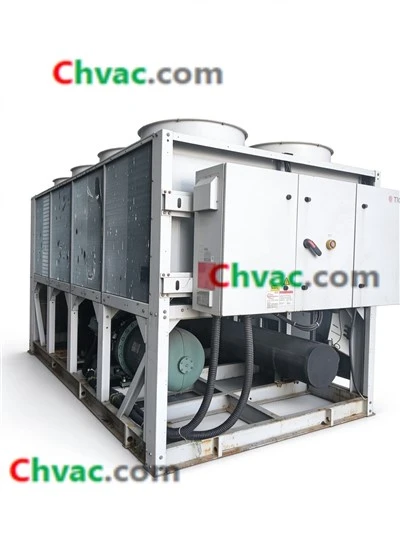
- York YSEYEYS45CKE/22 Chiller: This chiller is a great option for medium-sized commercial applications. It has a capacity that can handle a decent amount of heat load, making it suitable for offices, small factories, and retail spaces.
- Temperature Sensor for York 025 - 47671 - 000: While this is a temperature sensor, it's an important component of a chiller system. It helps in accurately measuring the temperature and ensuring the chiller operates at the right capacity.
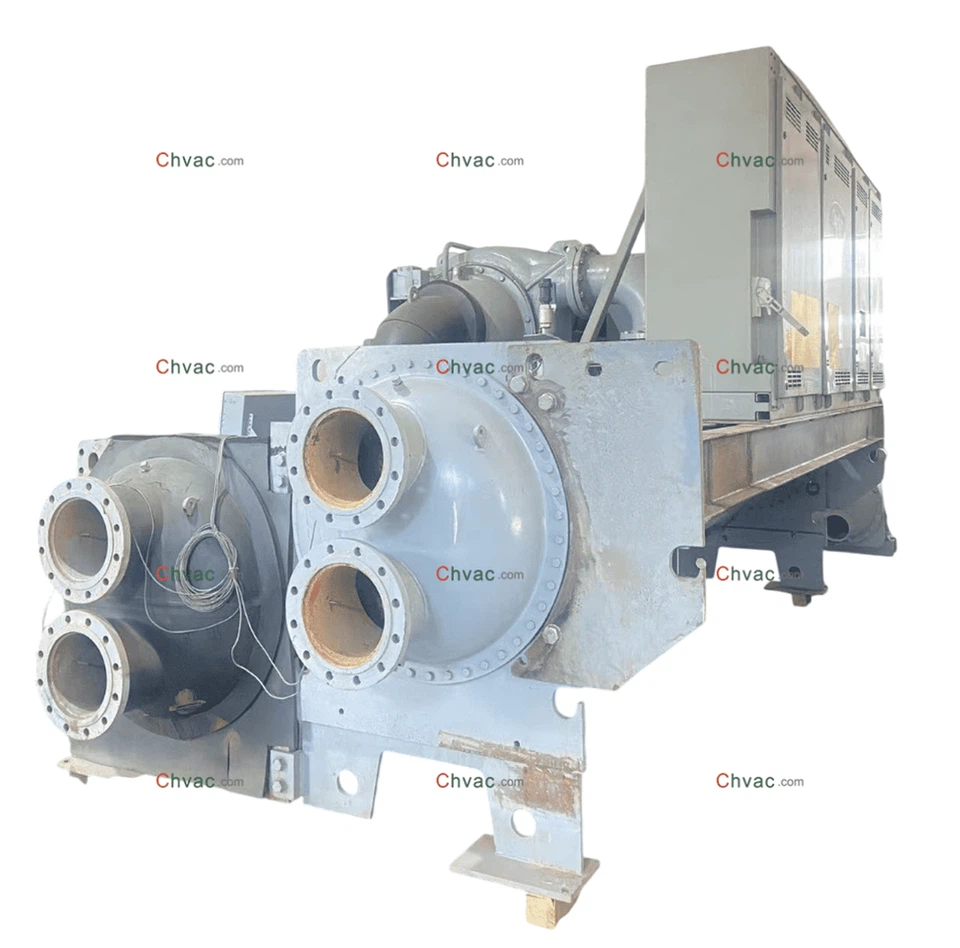
- 800 TR Carrier Centrifugal 19XRV6666467DJS52 Water Cooled Chiller: This is a high-capacity chiller designed for large industrial applications. With a capacity of 800 tons of refrigeration, it can handle massive heat loads in big factories, data centers, and large commercial buildings.
Calculating the Right Chiller Capacity
So, how do you calculate the right chiller capacity for your needs? It's not as complicated as it might seem. Here's a simple step-by-step process:
Step 1: Determine the Heat Load
First, you need to figure out the total heat load in the space. This includes the heat generated by equipment, people, and sunlight. You can use online calculators or consult with a professional to get an accurate estimate.
Step 2: Consider the Climate
Take into account the climate in your area. If it's a hot and humid climate, you'll need to add some extra capacity to the chiller to account for the additional heat.
Step 3: Account for Future Growth
If you plan to expand your business or add more equipment in the future, it's a good idea to choose a chiller with some extra capacity to accommodate the growth.
Step 4: Consult with an Expert
If you're still unsure about the right chiller capacity, it's always a good idea to consult with an HVAC expert. They can perform a detailed analysis of your space and recommend the best chiller for your needs.
Why Choose Our Chillers
We take pride in offering high-quality chillers with the right capacities for various applications. Here are some reasons why you should choose our chillers:
- Wide Range of Capacities: We have chillers with capacities ranging from small to very large, so you can find the perfect chiller for your needs.
- Energy Efficiency: Our chillers are designed to be energy-efficient, which means you'll save money on your energy bills in the long run.
- Reliability: We only offer chillers from trusted manufacturers, so you can be confident that your chiller will operate reliably for years to come.
- Expert Support: Our team of experts is always available to help you choose the right chiller and provide support throughout the installation and maintenance process.
Contact Us for Purchase and Consultation
If you're in the market for a chiller and need help determining the right capacity, or if you have any other questions, don't hesitate to contact us. We're here to assist you in finding the perfect chiller for your needs. Whether you're a small business owner or a large industrial operator, we have the solutions for you.
References
- ASHRAE Handbook of Fundamentals
- Cooling Technology Institute (CTI) Standards