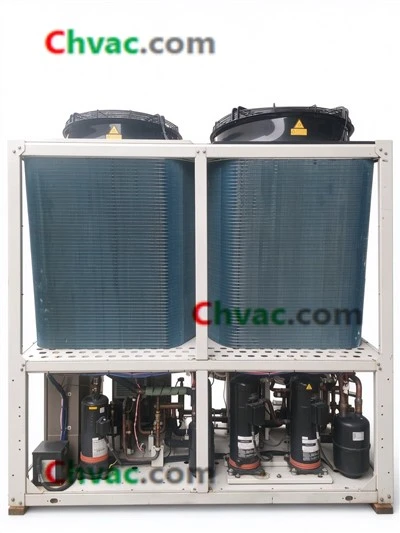
What is the refrigerant used in China chiller?
Leave a message

Yo, folks! I'm a supplier of China chillers, and today I wanna chat about the refrigerants used in these bad boys. Chillers are super important in a bunch of industries, from big commercial buildings to industrial setups, and the refrigerant they use is like the heart of the whole system. Let's dig in!
Common Refrigerants in China Chillers
R-22
First up, there's R-22. Back in the day, it was a real popular choice in China. It's a hydrochlorofluorocarbon (HCFC), and it's got some decent cooling properties. It was used in lots of older chillers because it's pretty stable and has a relatively good heat transfer rate. But here's the deal: R-22 is bad news for the ozone layer. Because of that, there have been international agreements, like the Montreal Protocol, that aim to phase it out. In China, the production and use of R-22 have been strictly controlled. If you come across an older chiller that uses R-22, it might be time to think about an upgrade or a retrofit to a more eco - friendly option.
R-134a
R-134a is another refrigerant you'll often find in China chillers. It's a hydrofluorocarbon (HFC), which means it doesn't have chlorine, so it's much better for the ozone layer compared to R-22. It's widely used in small to medium - sized chillers, especially in some air - cooled models. R-134a has a low toxicity level and good thermodynamic properties. It can work well in different temperature ranges, making it suitable for various applications. For example, if you have a chiller in a small office building or a retail store, R-134a might be the refrigerant of choice.
R-410A
This is a blend of two HFCs, difluoromethane (R - 32) and pentafluoroethane (R - 125). R-410A is known for its high cooling capacity and energy efficiency. It's commonly used in water - cooled chillers and newer, high - performance air - cooled chillers. In China, as the demand for energy - efficient and high - quality cooling systems grows, more and more chillers are being designed to use R-410A. It operates at a higher pressure than some other refrigerants, so the chiller components need to be built to handle that. But the payoff is better performance and lower energy consumption in the long run.
R-407C
R-407C is a zeotropic blend of R-32, R-125, and R-134a. It's often seen as a replacement for R-22 because it has similar performance characteristics. It's used in a wide range of chiller applications, from small industrial processes to large commercial air - conditioning systems. One of the advantages of R-407C is that it can be used in systems with minor modifications from R-22 systems. However, it does have a relatively high global warming potential (GWP), so there's a push to use more environmentally friendly alternatives as time goes on.
Our Chiller Offerings and the Refrigerants They Use
We've got a wide range of China chillers in our inventory, and different models use different refrigerants. Let me give you a quick look at some of our popular chillers.
The Dunham - Bush 650RT Centrifugal Chiller DCLCDX650H (Used) in Stock is a beast. This centrifugal chiller is designed for large - scale cooling applications. It might use a refrigerant like R-134a or a more modern, low - GWP option, depending on its age and any retrofits it's had. With a high cooling capacity, it's perfect for big industrial complexes or large commercial buildings.
The Carrier 30HXC165A Water Cooled Chiller is a well - known model. Carrier is a top brand, and this chiller is no exception. It typically uses R-410A because of its high - efficiency requirements. Water - cooled chillers are great for places where there's a reliable water source, and they can provide consistent cooling for a long time.
If you're looking for a used option, the Used Trane RTHD Water - Cooled Screw Chiller 1245.7kW Industrial Central Air Conditioning Unit is worth considering. Trane is a trusted name in the industry, and this screw chiller can use different refrigerants depending on its configuration. It could be R-407C or maybe even a newer, more eco - friendly option if it's been upgraded. It's perfect for industrial applications where you need a powerful and efficient cooling system.
The Carrier 30HXC250AH Water Cooled Chiller is another great piece from Carrier. Similar to the 30HXC165A, it often runs on R-410A for maximum energy efficiency. It's got a larger cooling capacity, making it suitable for bigger commercial or industrial spaces.
The TRANE 250 TR Water Cooled Chillers RTHDC2D4E4 VFD CHVAC 2025/07 is a high - end chiller. It might use a combination of advanced refrigerants to meet its performance and environmental standards. Trane always tries to stay at the forefront of technology, so you can expect this chiller to use the latest and greatest in refrigerant technology.
Future Trends in Refrigerants for China Chillers
The future of refrigerants in China chillers is all about going green. There's a big push to use refrigerants with lower global warming potential (GWP). Some of the emerging options include natural refrigerants like ammonia (NH3), carbon dioxide (CO2), and hydrocarbons (HCs).
Ammonia has been used in industrial refrigeration for a long time. It has excellent thermodynamic properties and a zero ozone - depletion potential (ODP) and very low GWP. However, it's toxic and flammable, so proper safety measures need to be in place when using it in a chiller.
Carbon dioxide is another natural refrigerant that's getting more attention. It's non - toxic and has a very low GWP. It can be used in transcritical and sub - critical cycles, and there's a growing number of research and development projects focused on making CO2 - based chillers more efficient and cost - effective.
Hydrocarbons, like propane (R - 290) and isobutane (R - 600a), are also being considered. They have low GWP and good thermodynamic properties. But they're flammable, so they need to be used with caution in chiller systems.
Why Choose Us as Your Chiller Supplier
We're not just about selling chillers. We know refrigerants inside out, and we can help you choose the right chiller with the right refrigerant for your specific needs. Whether you need a small chiller for a local business or a large - scale industrial chiller, we've got you covered. Our team of experts can advise you on the best refrigerant options based on your budget, environmental concerns, and cooling requirements.


If you're interested in any of the chillers I mentioned or want to learn more about our other offerings, don't hesitate to reach out for a chat. We're here to make sure you get the best cooling solution for your space. Whether it's for a new installation or an upgrade to your existing system, we're ready to help you make the right choice. So come on and let's talk about how we can meet your chiller needs!
References
- "Refrigerants and their impact on the environment" - International Journal of Refrigeration
- "China's refrigerant phase - out policy" - Journal of Environmental Policy in China
- Manufacturer's datasheets for Dunham - Bush, Carrier, and Trane chillers