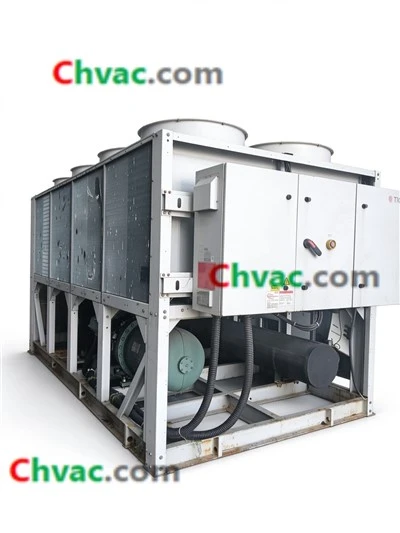
What is the water treatment requirement for the Trane RTHD Chiller?
Leave a message

Hey there! As a supplier of Trane RTHD Chillers, I often get asked about the water treatment requirements for these bad - boys. Let's dive right in and break it all down.
First off, why is water treatment so important for the Trane RTHD Chiller? Well, the chiller's performance and lifespan are highly dependent on the quality of the water running through it. If the water isn't properly treated, it can lead to a whole bunch of problems like corrosion, scaling, and the growth of harmful microorganisms. And trust me, you don't want any of those issues popping up.
Corrosion Control
Corrosion is a major concern when it comes to the Trane RTHD Chiller. The chiller has various metal components, and if they come into contact with untreated water, they can start to corrode over time. Corrosion can damage the heat exchangers, pipes, and other vital parts of the chiller, which can lead to leaks, reduced efficiency, and costly repairs.
To prevent corrosion, the water needs to have the right pH level. Generally, a pH range of 7 - 9 is ideal for the Trane RTHD Chiller. You can use chemicals like alkalinity boosters or acid neutralizers to adjust the pH as needed. Also, adding corrosion inhibitors to the water is a must. These inhibitors form a protective layer on the metal surfaces, preventing them from reacting with the water and oxygen.
Scaling Prevention
Scaling is another headache that untreated water can bring. When water contains high levels of minerals like calcium and magnesium, these minerals can precipitate out of the water and form scale on the heat transfer surfaces of the chiller. Scale acts as an insulator, reducing the efficiency of the heat transfer process. This means the chiller has to work harder to achieve the same cooling effect, which leads to higher energy consumption and increased operating costs.
To prevent scaling, water softening is often necessary. Water softeners remove the calcium and magnesium ions from the water, reducing the likelihood of scale formation. Additionally, anti - scaling agents can be added to the water. These agents work by keeping the minerals in solution, preventing them from sticking to the surfaces of the chiller.
Microorganism Management
Microorganisms like bacteria, algae, and fungi can thrive in the water systems of the Trane RTHD Chiller. Some of these microorganisms, such as Legionella bacteria, can be a serious health hazard. Legionella can cause Legionnaires' disease, a severe form of pneumonia.
To keep these microorganisms in check, biocides are used. Biocides are chemicals that kill or inhibit the growth of microorganisms. There are different types of biocides available, and the choice depends on the specific requirements of the chiller system. Regular monitoring of the water for microbial activity is also essential. This can be done through water testing, and if the microbial levels are too high, additional biocide treatment may be required.
Water Quality Monitoring
Regular water quality monitoring is crucial for ensuring that the water treatment is effective. You should test the water for pH, alkalinity, hardness, and microbial content on a regular basis. There are various testing kits available that make it easy to perform these tests on - site.
If you notice any significant changes in the water quality, it's important to take action immediately. For example, if the pH level is outside the recommended range, you need to adjust it right away. Similarly, if the microbial levels are rising, you may need to increase the dosage of biocide.
Specific Models and Their Requirements
When it comes to different models of the Trane RTHD Chiller, there may be some slight variations in the water treatment requirements. For instance, the Trane RTHDD1G1G1 Water CooledChiler might have specific heat exchanger materials that are more sensitive to certain water conditions. The same goes for the Trane RTHDB1B1B1 Water Cooled Chiller InStock and the 300 TR Trane RTHG300 Water Cooled Chiller.


It's always a good idea to refer to the manufacturer's guidelines for each specific model. The guidelines will provide detailed information on the recommended water treatment parameters and any special considerations for that particular chiller.
Benefits of Proper Water Treatment
Proper water treatment for the Trane RTHD Chiller offers several benefits. Firstly, it extends the lifespan of the chiller. By preventing corrosion, scaling, and microbial growth, the chiller's components are less likely to fail prematurely. This means you won't have to replace the chiller as often, saving you a significant amount of money in the long run.
Secondly, it improves the efficiency of the chiller. When the heat transfer surfaces are clean and free from scale, the chiller can operate more efficiently, using less energy. This not only reduces your energy bills but also has a positive impact on the environment.
Finally, proper water treatment helps to ensure the safety of the people using the building where the chiller is installed. By controlling the growth of harmful microorganisms, you reduce the risk of health problems associated with the chiller's water system.
Conclusion
In conclusion, proper water treatment is essential for the optimal performance, longevity, and safety of the Trane RTHD Chiller. By controlling corrosion, preventing scaling, and managing microorganisms, you can keep your chiller running smoothly and efficiently. Remember to regularly monitor the water quality and follow the manufacturer's guidelines for your specific chiller model.
If you're in the market for a Trane RTHD Chiller or need more information about water treatment for these chillers, don't hesitate to reach out. We're here to help you make the right decisions and ensure that your chiller system operates at its best. Contact us for more details and let's start a conversation about your chiller needs.
References
- Trane RTHD Chiller User Manual
- Industry standards for water treatment in chiller systems