How to ensure continuous operation of a chiller during power outages?
Leave a message

Hey there! As a chiller supplier, I've seen firsthand how crucial it is for chillers to keep running, even when the power goes out. A power outage can spell disaster for businesses that rely on chillers to maintain the right temperature for their operations, whether it's in a data center, a manufacturing plant, or a commercial building. So, in this blog, I'm gonna share some tips on how to ensure the continuous operation of a chiller during power outages.
1. Invest in a Reliable Backup Power Source
The first and most obvious step is to have a backup power source. A generator is the most common choice for this. When selecting a generator, you need to make sure it has enough capacity to handle the load of your chiller. You don't want to end up with a generator that can't keep up, leaving your chiller inoperable.
There are different types of generators available, such as diesel, natural gas, and propane. Diesel generators are known for their durability and high power output, but they can be noisy and require more maintenance. Natural gas generators are cleaner and quieter, and they're often more convenient if you have a natural gas line available. Propane generators are a good option if you don't have access to natural gas, and they're also relatively clean and easy to maintain.
Once you've chosen a generator, it's important to have it installed and maintained properly. Regular maintenance will ensure that the generator is in good working condition and ready to kick in when needed. You should also test the generator regularly to make sure it starts up quickly and runs smoothly.
2. Implement a Transfer Switch
A transfer switch is a device that automatically switches the power supply from the main grid to the backup generator when a power outage occurs. This ensures a seamless transition and minimizes the downtime of your chiller.
There are two main types of transfer switches: manual and automatic. Manual transfer switches require someone to physically switch the power source, which can be time-consuming and may result in a longer outage. Automatic transfer switches, on the other hand, do the job for you, so you don't have to worry about being on-site to make the switch.
When choosing a transfer switch, make sure it's compatible with your generator and chiller. You also need to consider the size and capacity of the switch to ensure it can handle the electrical load.
3. Use Uninterruptible Power Supply (UPS)
In addition to a generator, you can also use an Uninterruptible Power Supply (UPS) to provide short-term power to your chiller. A UPS is a battery-powered device that can keep your chiller running for a few minutes to an hour, depending on its capacity.
The main advantage of a UPS is that it can provide instant power when the main power goes out, giving your generator time to start up. This can prevent any sudden shutdowns of your chiller, which can cause damage to the equipment.
UPS systems come in different sizes and capacities, so you need to choose one that's suitable for your chiller. You should also make sure to regularly test and maintain the UPS to ensure it's working properly.
4. Optimize Chiller Design for Power Outages
Another way to ensure continuous operation is to optimize the design of your chiller. For example, you can choose a chiller with a modular design, which allows you to shut down non-essential components during a power outage while still keeping the critical parts running.
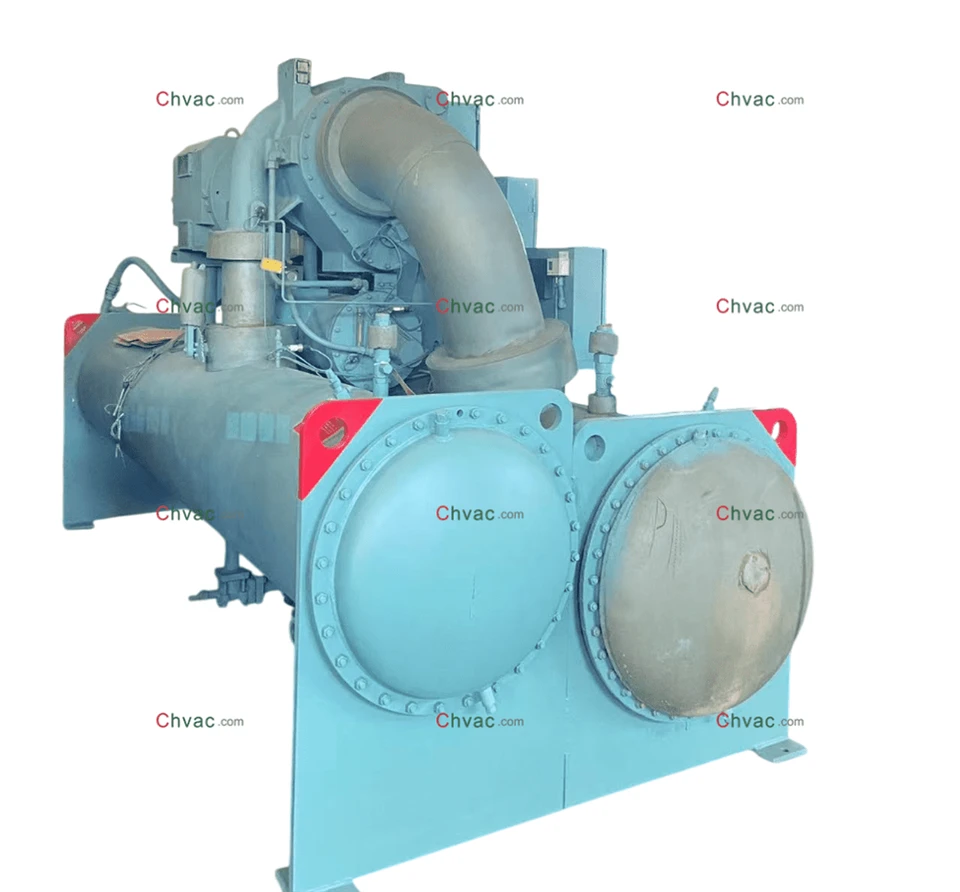
You can also consider using energy-efficient chillers that consume less power. This not only reduces your energy costs but also makes it easier to power the chiller with a backup generator. For instance, the York Centrifugal YKCQCQQ55CKG/XF22 Water Cooled Chiller is known for its energy efficiency and reliability, making it a great choice for situations where power outages are a concern.
5. Monitor and Maintain Chiller Components
Regular monitoring and maintenance of your chiller components are essential for ensuring its continuous operation. This includes checking the YORK DISCHARGE PRESSURE TRANSDUCER and YORK TRANSDUCER 025-28678-006 025-28678-112 regularly to make sure they're working properly.
These transducers play a crucial role in the operation of the chiller by measuring the pressure and providing feedback to the control system. If they malfunction, it can lead to improper operation of the chiller, especially during a power outage.
You should also keep an eye on other components such as the compressor, condenser, and evaporator. Regular maintenance can help identify and fix any potential issues before they become major problems.
6. Develop an Emergency Response Plan
Having an emergency response plan in place is crucial for minimizing the impact of a power outage on your chiller. The plan should include procedures for starting up the backup power source, monitoring the chiller during the outage, and shutting down the chiller safely when the power is restored.
Make sure all your employees are trained on the emergency response plan so they know what to do in case of a power outage. You should also conduct regular drills to ensure that everyone is familiar with the procedures.

7. Consider Remote Monitoring and Control
Remote monitoring and control systems allow you to keep an eye on your chiller from anywhere, at any time. This is especially useful during a power outage, as you can quickly assess the situation and take appropriate action.
With a remote monitoring system, you can receive alerts if there are any issues with the chiller, such as a drop in pressure or a rise in temperature. You can also control the chiller remotely, for example, by adjusting the settings or starting and stopping the equipment.
Conclusion
Ensuring the continuous operation of a chiller during power outages is a multi-faceted challenge, but with the right strategies in place, it's definitely achievable. By investing in a reliable backup power source, implementing a transfer switch, using a UPS, optimizing chiller design, monitoring and maintaining components, developing an emergency response plan, and considering remote monitoring and control, you can minimize the impact of power outages on your chiller and keep your business running smoothly.
If you're looking for high-quality chillers and solutions to ensure their continuous operation during power outages, don't hesitate to reach out. We're here to help you find the best products and services for your needs. Let's have a chat and see how we can work together to keep your chiller running, no matter what.
References
- ASHRAE Handbook - HVAC Systems and Equipment
- Chiller Manufacturer's Technical Manuals
- Industry Reports on Power Backup Solutions for HVAC Equipment