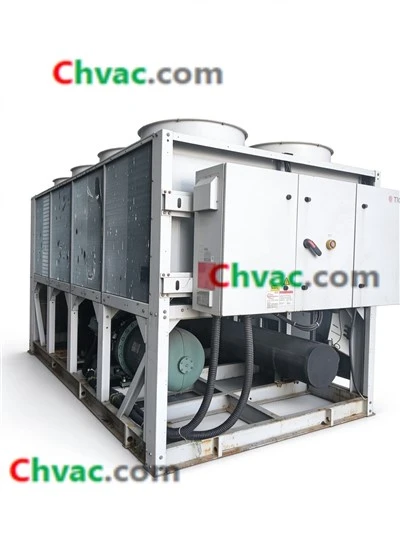
How does the Trane RTAG Chiller handle refrigerant leaks?
Leave a message

As a supplier of Trane RTAG Chillers, I've had the privilege of witnessing firsthand the remarkable engineering and reliability of these units. One of the most critical aspects of chiller operation is the management of refrigerant leaks, which can have significant implications for efficiency, environmental impact, and system performance. In this blog post, I'll delve into how the Trane RTAG Chiller handles refrigerant leaks, exploring its design features, detection mechanisms, and response strategies.
Design Features for Leak Prevention
The Trane RTAG Chiller is built with a robust design that minimizes the risk of refrigerant leaks. The unit's construction utilizes high-quality materials and advanced manufacturing techniques to ensure tight seals and connections throughout the system. For instance, the chiller's heat exchangers are designed with precision to prevent refrigerant from escaping, and the compressor housing is engineered to withstand high pressures and temperatures without compromising its integrity.
Moreover, Trane employs a comprehensive quality control process during the manufacturing of the RTAG Chiller. Each component is rigorously tested to ensure it meets the highest standards of quality and reliability. This attention to detail helps to identify and address any potential leak points early in the production process, reducing the likelihood of leaks occurring during the chiller's operation.
Advanced Leak Detection Mechanisms
In addition to its leak prevention design, the Trane RTAG Chiller is equipped with advanced leak detection mechanisms that continuously monitor the refrigerant system for any signs of leakage. These mechanisms are designed to detect even the smallest leaks, allowing for prompt action to be taken before the problem escalates.
One of the key leak detection features of the RTAG Chiller is its refrigerant pressure sensors. These sensors are strategically placed throughout the refrigerant system to monitor the pressure levels at various points. Any significant deviation from the normal pressure range can indicate a potential leak. The chiller's control system is programmed to analyze the data from these sensors in real-time and alert the operator if a leak is detected.
Another important leak detection tool is the chiller's refrigerant level sensor. This sensor measures the amount of refrigerant in the system and can detect if there is a sudden drop in the refrigerant level, which may be a sign of a leak. Similar to the pressure sensors, the control system uses the data from the refrigerant level sensor to trigger an alarm if a leak is suspected.
Furthermore, the Trane RTAG Chiller can be equipped with optional refrigerant leak detectors, such as infrared or ultrasonic sensors. These sensors are highly sensitive and can detect refrigerant leaks at a very early stage. They work by detecting the presence of refrigerant gas in the air around the chiller. If a leak is detected, the sensors send a signal to the control system, which then alerts the operator.
Response Strategies for Refrigerant Leaks
Once a refrigerant leak is detected, the Trane RTAG Chiller's control system initiates a series of response strategies to minimize the impact of the leak and prevent further damage to the system.
The first step in the response process is to isolate the leak. The chiller's control system will automatically shut off the refrigerant flow to the affected area to prevent the refrigerant from continuing to leak. This helps to reduce the amount of refrigerant that is released into the environment and minimizes the risk of damage to other components of the chiller.
Next, the control system will alert the operator to the leak. The alarm can be sent to a local control panel, a remote monitoring system, or even the operator's mobile device. This allows the operator to quickly respond to the leak and take appropriate action.
Once the operator is notified, they can use the chiller's diagnostic tools to locate the exact location of the leak. The control system provides detailed information about the leak, such as the location of the affected sensor and the estimated size of the leak. This information helps the operator to quickly identify the source of the leak and plan the necessary repairs.
After the leak has been located, the operator can proceed with the repair process. Trane provides comprehensive technical support and training to its customers to ensure that they have the knowledge and skills to perform the necessary repairs. In some cases, the operator may need to call in a professional technician to assist with the repair.
Environmental Considerations
Refrigerant leaks not only pose a risk to the performance and efficiency of the chiller but also have a significant impact on the environment. Many refrigerants used in chillers are greenhouse gases that can contribute to global warming if released into the atmosphere. The Trane RTAG Chiller is designed to minimize the environmental impact of refrigerant leaks by using environmentally friendly refrigerants and implementing strict leak management practices.
Trane offers a range of refrigerant options for the RTAG Chiller, including low-global warming potential (GWP) refrigerants. These refrigerants have a significantly lower impact on the environment compared to traditional refrigerants. By using low-GWP refrigerants, Trane helps its customers to reduce their carbon footprint and comply with environmental regulations.
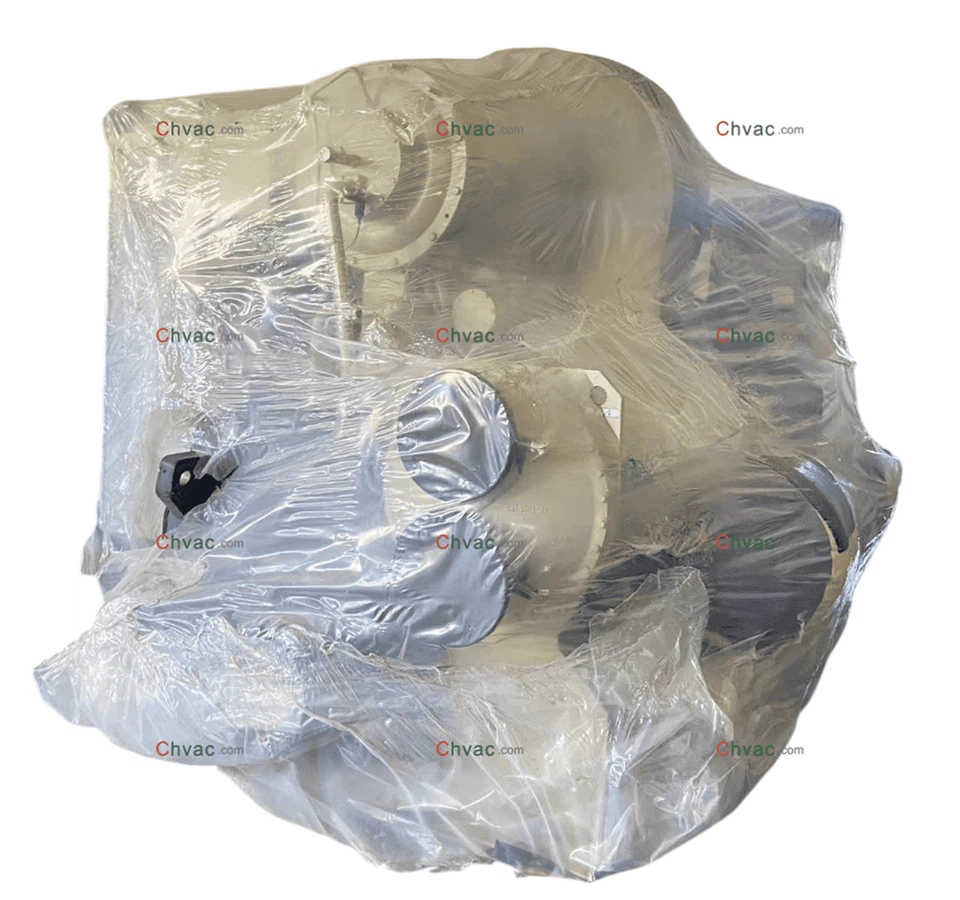
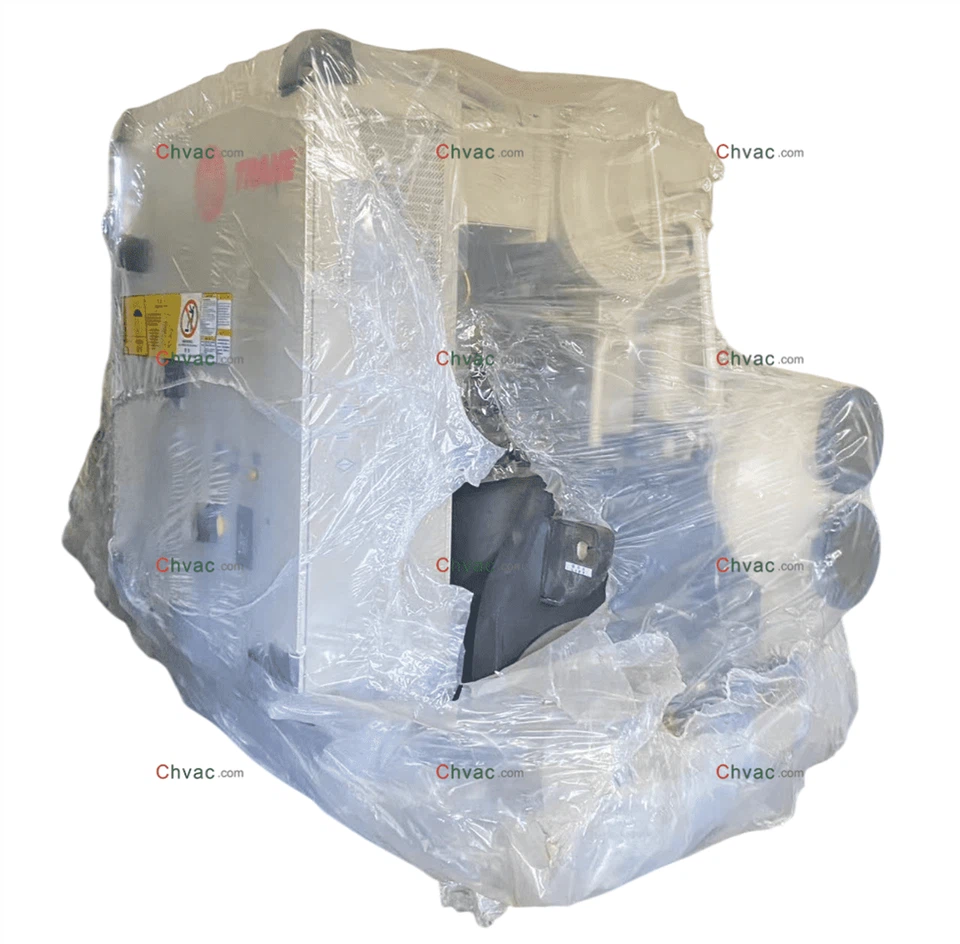
In addition to using environmentally friendly refrigerants, Trane also promotes the proper handling and disposal of refrigerants. The company provides training and resources to its customers on how to safely handle and recycle refrigerants. This helps to ensure that refrigerants are not released into the environment during the maintenance and repair of the chiller.
Conclusion
The Trane RTAG Chiller is a highly reliable and efficient chiller that is designed to handle refrigerant leaks effectively. Its robust design, advanced leak detection mechanisms, and comprehensive response strategies help to minimize the risk of leaks and ensure the safe and efficient operation of the chiller.
If you're in the market for a high-quality chiller that can handle refrigerant leaks with ease, the Trane RTAG Chiller is an excellent choice. At [Your Company Name], we are proud to be a supplier of Trane RTAG Chillers and other Trane products, such as the 500 TR Trane Centrifugal CVHF485 Water Cooled Chiller, Trane RTHDB1B1B1 Water Cooled Chiller InStock, and Trane RTHD Chiller. We have a team of experienced professionals who can provide you with the technical support and guidance you need to select the right chiller for your application.
If you have any questions or would like to learn more about our Trane chiller products, please don't hesitate to contact us. We look forward to working with you to meet your cooling needs.
References
- Trane Technical Documentation
- Industry Standards and Guidelines for Chiller Operation and Maintenance