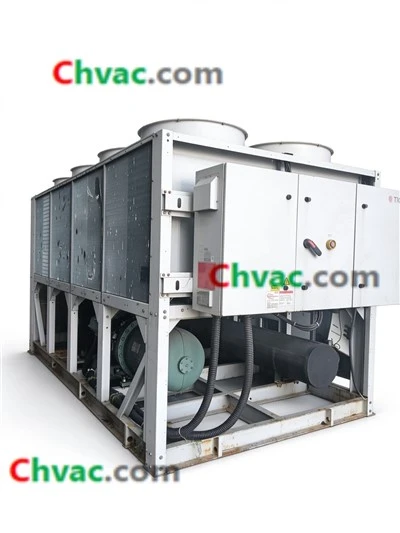
What are the evaporator types in chillers to buy?
Leave a message

When it comes to buying chillers, one of the key components you need to consider is the evaporator. The evaporator plays a crucial role in the chiller's cooling process, and different types can have a big impact on performance, efficiency, and cost. As a buy chiller supplier, I've dealt with all sorts of evaporators, and I'm here to break down the main types for you.
Shell and Tube Evaporators
Shell and tube evaporators are probably the most common type you'll come across. They're like the workhorses of the chiller world. Here's how they work: You've got a large shell (basically a big cylinder), and inside that shell, there are a whole bunch of tubes. The refrigerant flows through the tubes, while the water or other fluid that needs to be cooled flows around the outside of the tubes in the shell.
One of the big advantages of shell and tube evaporators is their efficiency. They can handle a large volume of fluid, which makes them great for industrial applications where you need to cool a lot of stuff. They're also pretty durable. The design is simple yet robust, so they can last a long time with proper maintenance.
However, they do have some downsides. They're relatively large and heavy, which can be a problem if you're short on space. Installation can also be a bit tricky and expensive because of their size and the need for proper support.
If you're looking for a reliable, high - capacity option, a shell and tube evaporator might be the way to go. For example, if you're running a large manufacturing plant or a commercial building with a big HVAC system, this type of evaporator can keep things cool efficiently. You can check out our York YSEYEYS45CKE/22 Chiller, which uses a high - quality shell and tube evaporator to provide excellent cooling performance.
Plate Evaporators
Plate evaporators are another popular choice. Instead of tubes, they use a series of thin plates stacked on top of each other. The refrigerant and the fluid to be cooled flow through alternate channels between the plates.
One of the main benefits of plate evaporators is their compact size. They take up a lot less space compared to shell and tube evaporators, which is great if you're working in a tight area. They're also more efficient in terms of heat transfer. The large surface area of the plates allows for better contact between the refrigerant and the fluid, which means faster cooling.
But there are some drawbacks. Plate evaporators can be more prone to fouling. Since the channels between the plates are relatively narrow, dirt and debris can build up more easily, which can reduce their efficiency over time. They also tend to be more expensive upfront compared to shell and tube evaporators.
If you're in a situation where space is at a premium, like in a small data center or a rooftop HVAC unit, a plate evaporator could be a good fit. We have some chillers with plate evaporators that are perfect for these types of applications.

Finned Tube Evaporators
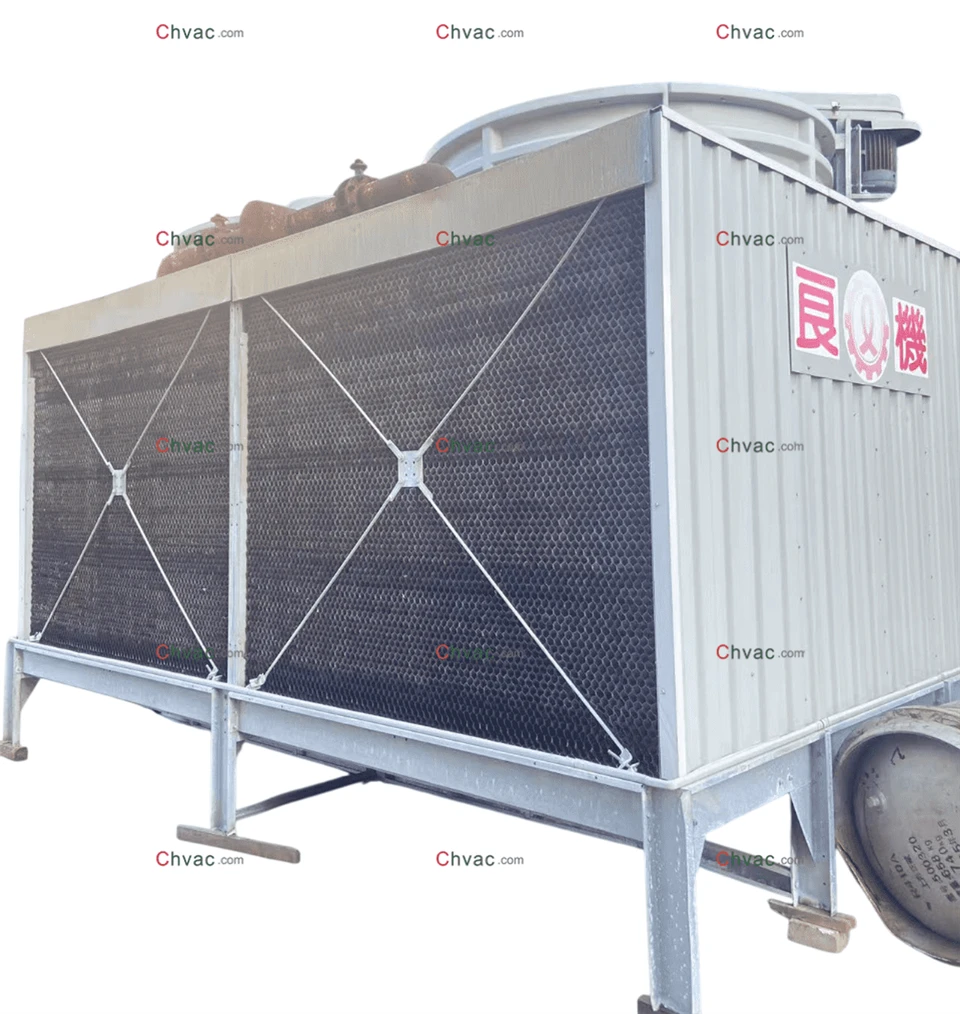
Finned tube evaporators are commonly used in air - cooled chillers. They consist of tubes with fins attached to them. The fins increase the surface area of the tubes, which helps to improve heat transfer between the refrigerant inside the tubes and the air flowing over the fins.
These evaporators are great for applications where you don't have access to a lot of water. Since they use air for cooling, they're more suitable for areas with water shortages or where water usage needs to be minimized. They're also relatively easy to install and maintain.
However, their cooling capacity is generally lower compared to shell and tube or plate evaporators. They're more commonly used in smaller - scale applications, like in residential air - conditioning units or small commercial buildings.
If you're looking for an air - cooled chiller with a finned tube evaporator, we've got some great options in stock. And if you're in the market for a cooling tower to go along with your chiller, we have some great choices too, like the Cooling Tower NX1025PAN1FPK and the Cooling Tower LRCM-H-150C2.
Choosing the Right Evaporator Type
So, how do you decide which evaporator type is right for your chiller? Well, it depends on a few factors.
First, consider the application. If you're cooling a large industrial process, a shell and tube evaporator is likely your best bet. For a small - scale commercial or residential application, a finned tube or plate evaporator might be more appropriate.
Next, think about space. If you have limited space, a plate or finned tube evaporator will be more suitable. If space isn't an issue, a shell and tube evaporator can offer great performance.
Cost is also a major factor. Shell and tube evaporators are generally more cost - effective in the long run, especially for large - scale applications. Plate evaporators are more expensive upfront but can save you money on energy costs over time. Finned tube evaporators are usually the most affordable option for smaller applications.
Finally, consider the availability of resources. If you have easy access to water, a water - cooled evaporator like a shell and tube or plate evaporator might be better. If water is scarce, an air - cooled finned tube evaporator is the way to go.
Conclusion
In conclusion, choosing the right evaporator type for your chiller is a crucial decision. Each type has its own advantages and disadvantages, and the best choice depends on your specific needs. As a buy chiller supplier, I've seen firsthand how the right evaporator can make a big difference in the performance and efficiency of a chiller.
If you're still not sure which evaporator type is right for you or if you have any questions about our chillers, don't hesitate to reach out. We're here to help you make the best decision for your cooling needs. Whether you need a large - scale industrial chiller or a small - scale commercial unit, we've got a wide range of options to choose from. Contact us today to start the procurement process and let's find the perfect chiller for you.
References
- ASHRAE Handbook of Refrigeration. This handbook provides in - depth information on chiller components, including evaporators.
- Refrigeration and Air Conditioning Technology textbooks. These textbooks offer detailed explanations of different evaporator types and their applications.