Can Trane chillers be integrated with building management systems?
Leave a message

Hey there! I'm a supplier of Trane chillers, and today I wanna chat about whether Trane chillers can be integrated with building management systems (BMS). It's a question I get a lot, and it's super important for anyone looking to optimize their building's energy efficiency and comfort.
First off, let's talk about what a building management system is. In a nutshell, a BMS is like the brain of a building. It's a centralized control system that monitors and manages various building systems, such as heating, ventilation, air conditioning (HVAC), lighting, and security. By integrating all these systems, a BMS can help building owners and operators save energy, reduce costs, and improve the overall comfort and safety of the building.
So, can Trane chillers be integrated with a BMS? The short answer is yes! Trane is a leading manufacturer of HVAC equipment, and they've designed their chillers to be highly compatible with a wide range of BMS platforms. Whether you're using a proprietary BMS or an open-standard system, Trane chillers can be easily integrated to provide seamless control and monitoring.
One of the key advantages of integrating Trane chillers with a BMS is the ability to optimize energy efficiency. By connecting the chiller to the BMS, you can monitor and control its operation in real-time, adjusting settings based on factors such as outdoor temperature, building occupancy, and energy demand. This allows you to run the chiller at its most efficient level, reducing energy consumption and saving money on utility bills.
For example, let's say you have a Trane Screw Chiller Trane Screw Chiller installed in your building. By integrating it with a BMS, you can set up automated schedules to turn the chiller on and off at specific times, depending on when the building is occupied. You can also adjust the chiller's temperature setpoints based on the outdoor temperature, ensuring that the building is always comfortable without wasting energy.
Another benefit of integrating Trane chillers with a BMS is improved system reliability and maintenance. The BMS can continuously monitor the chiller's performance, detecting any potential issues or malfunctions early on. This allows you to schedule preventive maintenance and repairs before they become major problems, reducing downtime and extending the lifespan of the chiller.
In addition, the BMS can provide detailed diagnostic information and alerts, allowing you to quickly identify and address any issues that arise. For instance, if the chiller's refrigerant pressure is too high or too low, the BMS can send an alert to your smartphone or computer, notifying you of the problem and providing instructions on how to fix it.
Trane offers a variety of chiller models that are specifically designed for integration with BMS platforms. One such model is the Trane CVHG780 Centrifugal Water Cooled Chiller Trane CVHG780 Centrifugal Water Cooled Chiller. This chiller features advanced control technology that allows it to communicate seamlessly with a BMS, providing real-time data on its operation and performance.
The Trane CVHG780 Centrifugal Water Cooled Chiller also offers a range of energy-saving features, such as variable-speed drives and advanced compressor technology. By integrating this chiller with a BMS, you can take full advantage of these features, optimizing its performance and reducing energy consumption.
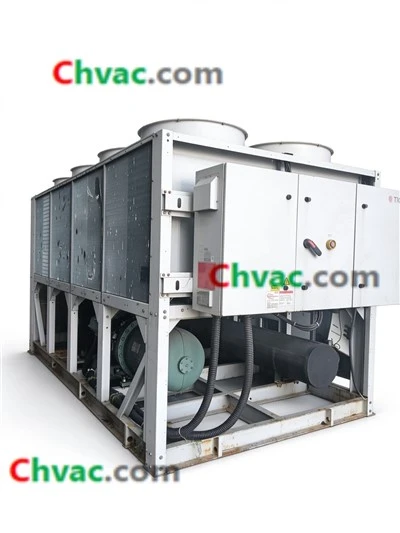
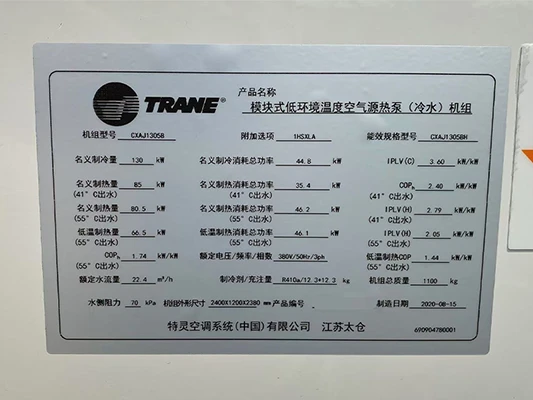
Another popular Trane chiller model for BMS integration is the Trane Air Cooled Heat Pump Chiller Trane Air Cooled Heat Pump Chiller. This chiller is designed to provide both heating and cooling, making it a versatile option for a wide range of applications.
Like the Trane CVHG780 Centrifugal Water Cooled Chiller, the Trane Air Cooled Heat Pump Chiller features advanced control technology that allows it to communicate with a BMS. This enables you to monitor and control the chiller's operation from a central location, adjusting settings based on the building's heating and cooling needs.
So, how do you go about integrating Trane chillers with a BMS? The process typically involves several steps, including system design, installation, and commissioning. It's important to work with a qualified HVAC contractor who has experience with BMS integration to ensure that the process is done correctly.
During the system design phase, the contractor will assess your building's specific needs and requirements, selecting the appropriate Trane chiller model and BMS platform. They will also design the control strategy for the chiller, determining how it will interact with the BMS and other building systems.
Once the system design is complete, the contractor will install the Trane chiller and the BMS, connecting them together using the appropriate wiring and communication protocols. They will also configure the BMS to communicate with the chiller, setting up the necessary parameters and schedules.
Finally, the contractor will commission the system, testing it to ensure that it is operating correctly and providing the desired level of performance. They will also train your building staff on how to use the BMS to monitor and control the chiller, ensuring that they are able to take full advantage of its features and benefits.
In conclusion, Trane chillers can definitely be integrated with building management systems, and doing so offers a wide range of benefits, including improved energy efficiency, system reliability, and maintenance. Whether you're looking to upgrade an existing HVAC system or install a new one, integrating Trane chillers with a BMS is a smart choice that can help you save money and improve the overall performance of your building.
If you're interested in learning more about Trane chillers and how they can be integrated with a BMS, or if you're ready to start the process of purchasing and installing a Trane chiller for your building, I'd love to hear from you. Just reach out, and we can have a chat about your specific needs and requirements. Let's work together to make your building more efficient, comfortable, and sustainable!

References:
- Trane official product documentation
- Industry reports on building management system integration