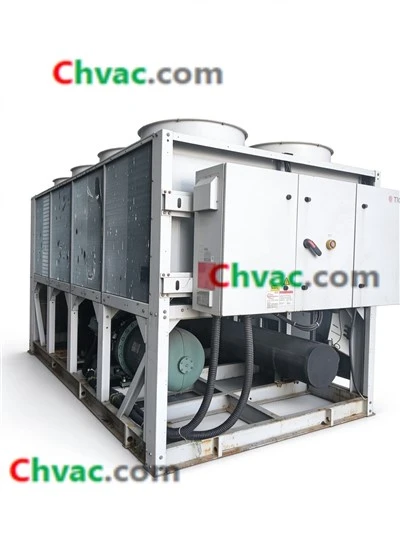
What are the recommended filters for the Trane RTHD Chiller?
Leave a message

As a reliable supplier of Trane RTHD Chillers, I understand the importance of selecting the right filters for optimal performance and longevity of these high - quality cooling systems. In this blog, I will recommend some of the best filters for the Trane RTHD Chiller and explain why they are essential for your chiller's operation.
The Role of Filters in Trane RTHD Chillers
Filters play a crucial role in the Trane RTHD Chiller system. They are designed to remove contaminants from the air or water that passes through the chiller. By doing so, they prevent dirt, dust, debris, and other particles from entering the chiller's internal components. This not only helps in maintaining the efficiency of the chiller but also extends its service life. A clean chiller operates more smoothly, consumes less energy, and is less likely to experience breakdowns.
Recommended Air Filters
MERV 13 Filters
MERV (Minimum Efficiency Reporting Value) 13 filters are highly recommended for Trane RTHD Chillers. These filters are capable of capturing a wide range of particles, including dust, pollen, mold spores, and bacteria. With a MERV rating of 13, they can trap particles as small as 1 - 3 microns with an efficiency of 85 - 90%. This high - efficiency filtration helps in keeping the air inside the chiller clean, which is essential for the proper functioning of the compressor and other components.
HEPA Filters
High - Efficiency Particulate Air (HEPA) filters are another excellent option. They are even more efficient than MERV 13 filters, capable of removing at least 99.97% of particles that are 0.3 microns in diameter. HEPA filters are ideal for environments where air quality is of utmost importance, such as hospitals, laboratories, and clean rooms. Although they are more expensive than MERV 13 filters, their superior filtration performance can significantly improve the overall performance of the Trane RTHD Chiller.
Recommended Water Filters
Sediment Filters
Sediment filters are essential for Trane RTHD Chillers that use water as a cooling medium. These filters are designed to remove large particles such as sand, silt, and rust from the water. By preventing these particles from entering the chiller's water circuit, sediment filters help in reducing the risk of clogging and damage to the heat exchanger and other water - related components. They come in different micron ratings, and a 5 - micron sediment filter is often a good choice for most applications.


Carbon Filters
Carbon filters are used to remove organic compounds, chlorine, and odors from the water. Chlorine can be particularly harmful to the chiller's components as it can cause corrosion over time. Carbon filters work by adsorbing these contaminants onto their surface, leaving the water clean and free of harmful substances. They are often used in combination with sediment filters for comprehensive water treatment.
Factors to Consider When Choosing Filters
Compatibility
It is crucial to ensure that the filters you choose are compatible with the Trane RTHD Chiller. Trane provides specific guidelines regarding the types of filters that are suitable for their chillers. Using incompatible filters can not only reduce the efficiency of the chiller but also void the warranty.
Filtration Efficiency
As mentioned earlier, the filtration efficiency of the filter is an important factor. Higher - efficiency filters can capture more particles, but they may also have a higher pressure drop, which can affect the airflow or water flow through the chiller. Therefore, it is necessary to strike a balance between filtration efficiency and pressure drop based on your specific application.
Cost
Cost is always a consideration when choosing filters. While high - efficiency filters such as HEPA filters may offer better performance, they are also more expensive. You need to evaluate the long - term benefits of using these filters against the initial cost. In some cases, the energy savings and reduced maintenance costs associated with high - efficiency filters can offset the higher upfront investment.
The Impact of Proper Filter Selection on Chiller Performance
Proper filter selection can have a significant impact on the performance of the Trane RTHD Chiller. When the right filters are used, the chiller can operate at its maximum efficiency. This means lower energy consumption, which translates into cost savings for the user. Additionally, clean filters reduce the wear and tear on the chiller's components, resulting in fewer breakdowns and longer service life.
For example, a Trane RTHD Chiller with clogged or inefficient filters may have to work harder to achieve the desired cooling effect. This increased workload can lead to higher energy consumption and more frequent maintenance requirements. On the other hand, a chiller with properly selected and maintained filters can operate smoothly, providing reliable cooling with minimal energy usage.
Our Product Range
As a Trane RTHD Chiller supplier, we offer a wide range of filters that are specifically designed for Trane RTHD Chillers. Our filters are sourced from reputable manufacturers and are guaranteed to meet the highest quality standards. We also provide installation and maintenance services to ensure that your chiller operates at its best.
In addition to filters, we also have in - stock some popular Trane chiller models, such as the Trane RTHB380 Water Cooled Chiller and the Trane RTHDD3G2G1 Water Cooled Chiller. You can visit our website to learn more about these products: Trane RTHD Chiller.
Contact Us for Procurement
If you are interested in purchasing filters for your Trane RTHD Chiller or any of our other products, we invite you to contact us for procurement discussions. Our team of experts is ready to assist you in selecting the right filters based on your specific requirements. We can also provide detailed product information, pricing, and delivery options. Don't hesitate to reach out to us to ensure that your Trane RTHD Chiller operates at its peak performance.
References
- Trane Technical Manuals
- ASHRAE (American Society of Heating, Refrigerating and Air - Conditioning Engineers) Standards