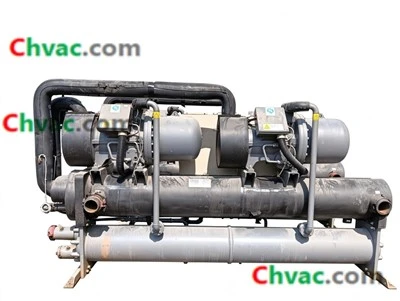
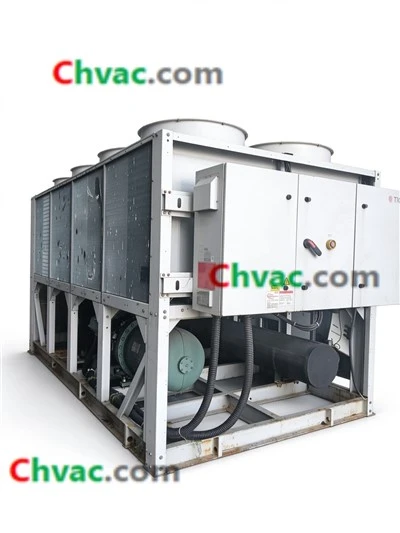
Can Trane Air Cooled Heat Pump Chiller be used in industrial applications?
Leave a message

If you've ever browsed industrial HVAC solutions, you've likely encountered Trane, a brand synonymous with reliability and energy efficiency across commercial and industrial spaces. As a Trane air cooled heat pump chiller supplier, I get this question more times than I can count: Can Trane's air cooled heat pump chillers actually hold up in industrial settings? The short answer is yes-but to really understand how, and why it's worth considering over other options, we need to dive into the unique demands of industrial applications, the design of Trane's air cooled heat pump chillers, and the tradeoffs that make them (and their related Trane chiller lines) a fit for specific industrial use cases.
First, let's ground ourselves in what industrial applications demand that commercial spaces don't. Industrial facilities-think food processing plants, pharmaceutical manufacturing lines, data centers, and light assembly factories-don't just need cool air for comfort. They need precise, consistent temperature control for process equipment, sensitive materials, and even worker environments that can't tolerate fluctuations, plus high uptime to avoid costly production shutdowns. Unlike a 10,000-square-foot office building that might cycle chillers on and off during business hours, an industrial plant often runs 24/7, 365 days a year. That means HVAC equipment needs to handle heavy load shifts, resist wear from frequent operation, and be easy to maintain without pausing production for days.
Trane's air cooled heat pump chillers are built with these demands in mind, but let's break down their key features for industrial use. First, their air cooled design means they don't rely on a separate water loop, cooling towers, or piped water systems-assets that are prone to leaks, scale buildup, and downtime in industrial settings. For facilities that don't have access to a reliable water supply (or the budget to maintain one), this is a huge advantage. Trane's air cooled lines use hermetic compressors with advanced scroll or screw technology, depending on the model, that are engineered for continuous run times. For example, many Trane RTAC Chiller models-specifically designed for both comfort cooling and process cooling-are rated for full-load operation in temperatures up to 115°F, a critical feature for industrial facilities in hot climates where ambient temperatures often spike. You can learn more about this line here: /chiller/trane-chillers/rtac-chiller.html.
But here's where I'll be honest: air cooled heat pump chillers aren't the right fit for every industrial application. Let's talk about the limitations, because transparency is key when you're sourcing equipment that impacts your production. For facilities with extremely high cooling loads-say, a data center requiring 500 tons of cooling or more, or a metal fabrication plant with large process ovens that drive high ambient heat load-air cooled chillers can become less efficient than water cooled alternatives. That's why many industrial buyers I work with compare Trane's air cooled heat pump chillers to Trane's water cooled lines, which often deliver higher seasonal efficiency ratings (SEER or IPLV) at very large loads. For context, if you're evaluating water cooled options, we also carry models like the Trane Centrifuge CVHG1100 Water Cooled Chiller, which is built for high-load industrial applications requiring maximum efficiency, or the Used Trane RTHB180 Water‑Cooled Screw Chiller 180RT R22 Refrigerant, a cost-effective option for facilities with existing R22 refrigerant infrastructure. For new installations, the Trane 450TR Water cooled chiller RTHDE3H3C3 CHVAC and Trane RTHDE3G2G1 Water Cooled Chiller are top choices for mid-to-high load industrial processes. You can explore these alongside air cooled models to make a side-by-side comparison.
Now, let's get specific about the industrial use cases where Trane air cooled heat pump chillers excel. First, food processing facilities. These plants have two key cooling needs: maintaining a comfortable environment for workers, and controlling temperatures for perishable goods during processing, storage, and packaging. For example, a snack food manufacturing line might run a continuous process that requires 24/7 cooling for product handling areas, plus supplementary cooling to keep raw materials (like nuts or chocolate) at a consistent temperature. Trane air cooled heat pump chillers handle this perfectly because they're low-maintenance, don't require water (which could risk contamination in food processing), and their heat pump functionality means they can even recover waste heat from the cooling process to pre-heat water for cleaning operations-another big energy saver for industrial kitchens and processing lines.
Pharmaceutical manufacturing is another area where these chillers shine. Cleanroom environments, which are critical for drug production, require temperature consistency within ±0.5°F. Trane's air cooled models use microprocessor controls that adjust capacity in 1% increments, eliminating the large temperature swings that can damage sensitive products or trigger compliance issues with FDA regulations. Unlike smaller, consumer-grade HVAC units, Trane's industrial air cooled chillers come with redundant components (optional, but standard for many commercial and industrial models) that mean if one compressor fails, the second kicks in automatically-no full shutdown, no lost production time.
Light industrial applications, like small-scale assembly shops, 3D printing facilities, or warehouses with temperature-controlled storage, also benefit from air cooled heat pump chillers. These spaces often don't have the space or budget for a large water cooling system, and they don't have load requirements high enough to justify a water cooled chiller. Trane's air cooled lines are compact, easy to install on rooftops or exterior pads, and their modular design means you can add units as your facility expands-no need to replace your entire HVAC system when you grow.
Of course, no piece of industrial equipment is without its tradeoffs. Air cooled chillers are less efficient than water cooled models in extreme cold, because when temperatures drop below 32°F, you need to add heat trace or glycol to prevent refrigerant lines from freezing. For facilities in climates with long, harsh winters, a water cooled chiller might be more cost-effective over time. But for facilities in mild or hot climates, or those that can manage the minor extra maintenance for cold-weather operation, the upfront cost and simplicity of air cooled heat pump chillers often win out. Another point: air cooled units are louder than water cooled ones, so if your facility is located near residential areas (and noise ordinances are strict), you might want to look into sound-attenuated options or paired with sound enclosures-something Trane offers for many of its industrial models.
As a Trane chiller supplier, I've seen firsthand how the right equipment can make or break an industrial operation. Last year, I worked with a craft brewery in the Pacific Northwest that needed to upgrade its cooling system for fermentation tanks and its taproom. They initially considered a water cooled chiller, but their facility had limited access to plumbing and didn't want to deal with water treatment costs. We recommended a Trane air cooled heat pump chiller, paired with a secondary cooling loop for the fermentation tanks. The unit ran 24/7, maintained precise temperatures for beer batches, and even recovered waste heat to warm water for cleaning kegs-saving them over $12,000 a year on energy bills. They've since added a second unit to expand production, and they haven't had a single unplanned shutdown in 18 months. That's the value of matching the equipment to the application, not just the specs on a sales sheet.
If you're evaluating Trane air cooled heat pump chillers for your industrial facility, here's what to focus on: first, your cooling load. Calculate your peak and minimum load requirements-this will tell you if a small-to-medium air cooled unit is right, or if you need to step up to a water cooled model (we can walk you through that calculation if you're unsure). Second, your site constraints: do you have space for a cooling tower, or is a rooftop or exterior pad your only option? Third, your climate: if you're in an area with consistent temperatures between 40°F and 100°F, air cooled will perform at its best. If you're in a colder region, we can discuss glycol options and efficiency tweaks to make it work.
Finally, don't sleep on maintenance. Even the most reliable Trane chillers need regular checks-filter changes, compressor inspections, refrigerant leaks tests-to keep them running at peak efficiency. Many industrial facilities sign service agreements with Trane-authorized technicians, which can extend the lifespan of your chiller by 10+ years, and avoid costly emergency repairs.
At the end of the day, the question isn't "can Trane air cooled heat pump chillers be used in industrial applications"-it's "what industrial applications are they best suited for?" For facilities with moderate cooling loads, limited water access, and a need for high uptime, they're an excellent choice. For facilities with extremely high loads and reliable water access, Trane's water cooled lines (including the models we linked earlier) will deliver better long-term efficiency.
If you're ready to discuss your specific industrial cooling needs, or want to learn more about Trane's air cooled or water cooled chiller lines, reach out to our team for a customized consultation. We can help you compare options, run load calculations, and find the right solution that fits your production goals, budget, and site requirements.
References
- Trane. (n.d.). RTAC Air Cooled Chiller Product Specification. Retrieved from /chiller/trane-chillers/rtac-chiller.html
- Trane. (n.d.). Centrifuge CVHG1100 Water Cooled Chiller Technical Data. Retrieved from /chiller/trane-chillers/trane-centrifuge-cvhg1100-water-cooled.html
- American Chiller Brokers. (n.d.). Used Trane RTHB180 Water‑Cooled Screw Chiller 180RT R22 Refrigerant. Retrieved from /chiller/trane-chillers/used-trane-rthb180-water-cooled-screw-chiller.html
- Trane. (n.d.). RTHDE Series Water Cooled Chiller Product Brochure. Retrieved from /chiller/trane-chillers/450tr-new-trane-rthd-chvac.html
- Trane. (n.d.). RTHDE3G2G1 Water Cooled Chiller Installation Guide. Retrieved from /chiller/trane-chillers/trane-rthde3g2g1-water-cooled-chiller-in.html
- ASHRAE. (2022). Industrial HVAC Design Guidelines. American Society of Heating, Refrigerating and Air-Conditioning Engineers.